Petit Ceinture
The Petite Ceinture, or “Little Belt,” is an old railway line that once encircled Paris. Built in the nineteenth century, it was created to connect the city’s major railway stations and transport passengers and goods around the capital without having to cross through its busy centre.
Construction began in the 1850s, and the first sections opened in 1852. The railway eventually formed a complete ring around Paris, stretching for about 32 kilometres. It played an important role in the development of the city, carrying both passengers and freight during a period when Paris was rapidly expanding. The line also became particularly useful during the Franco-Prussian War and the Paris Commune in the 1870s, when rail transport was essential for moving people, supplies and military equipment.
Although the Petite Ceinture was successful for many decades, its importance gradually declined in the twentieth century. The development of the Paris Métro and the increasing popularity of cars and buses made the railway less necessary. Passenger services were finally discontinued in 1934, although some freight traffic continued on parts of the line for several decades.
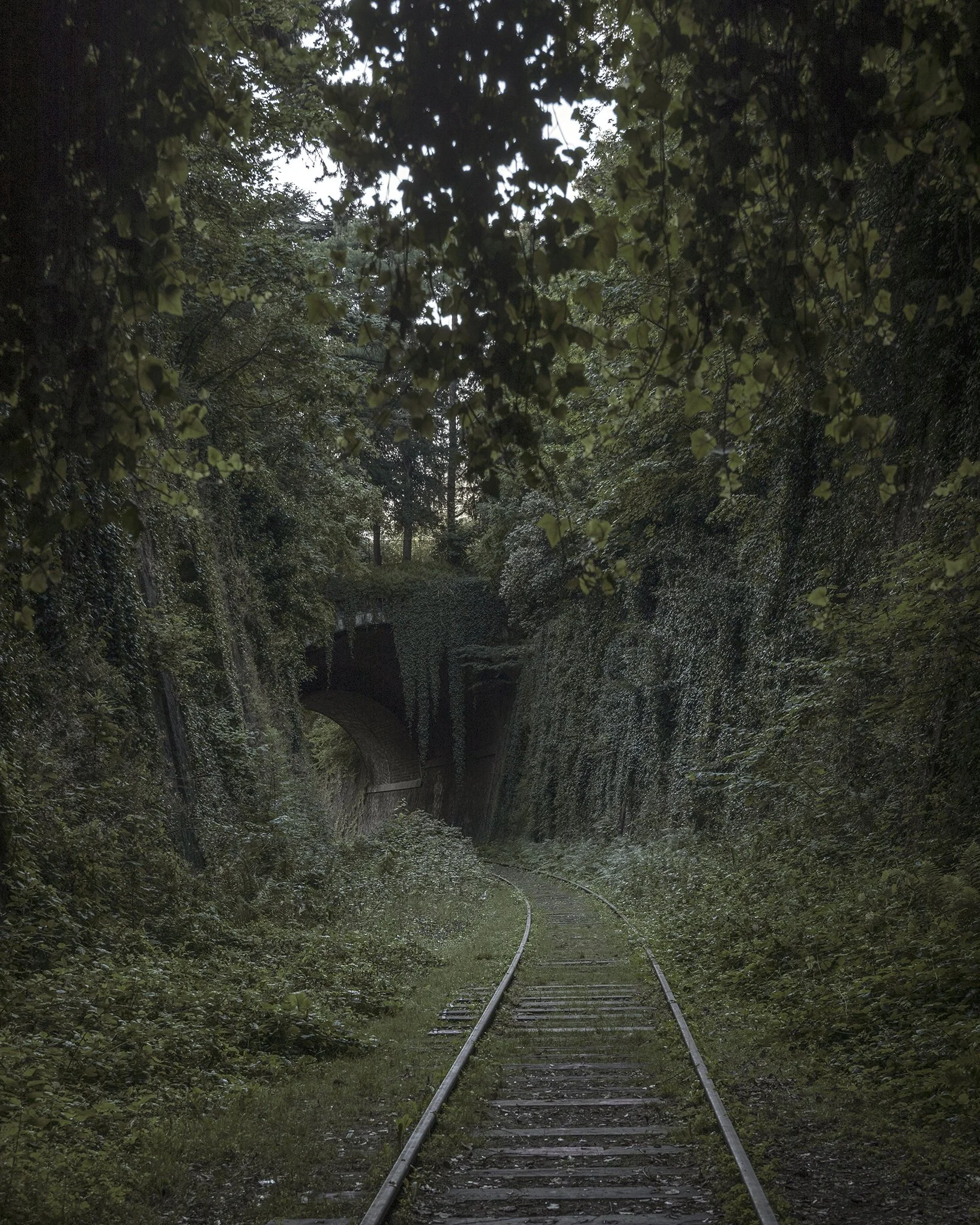
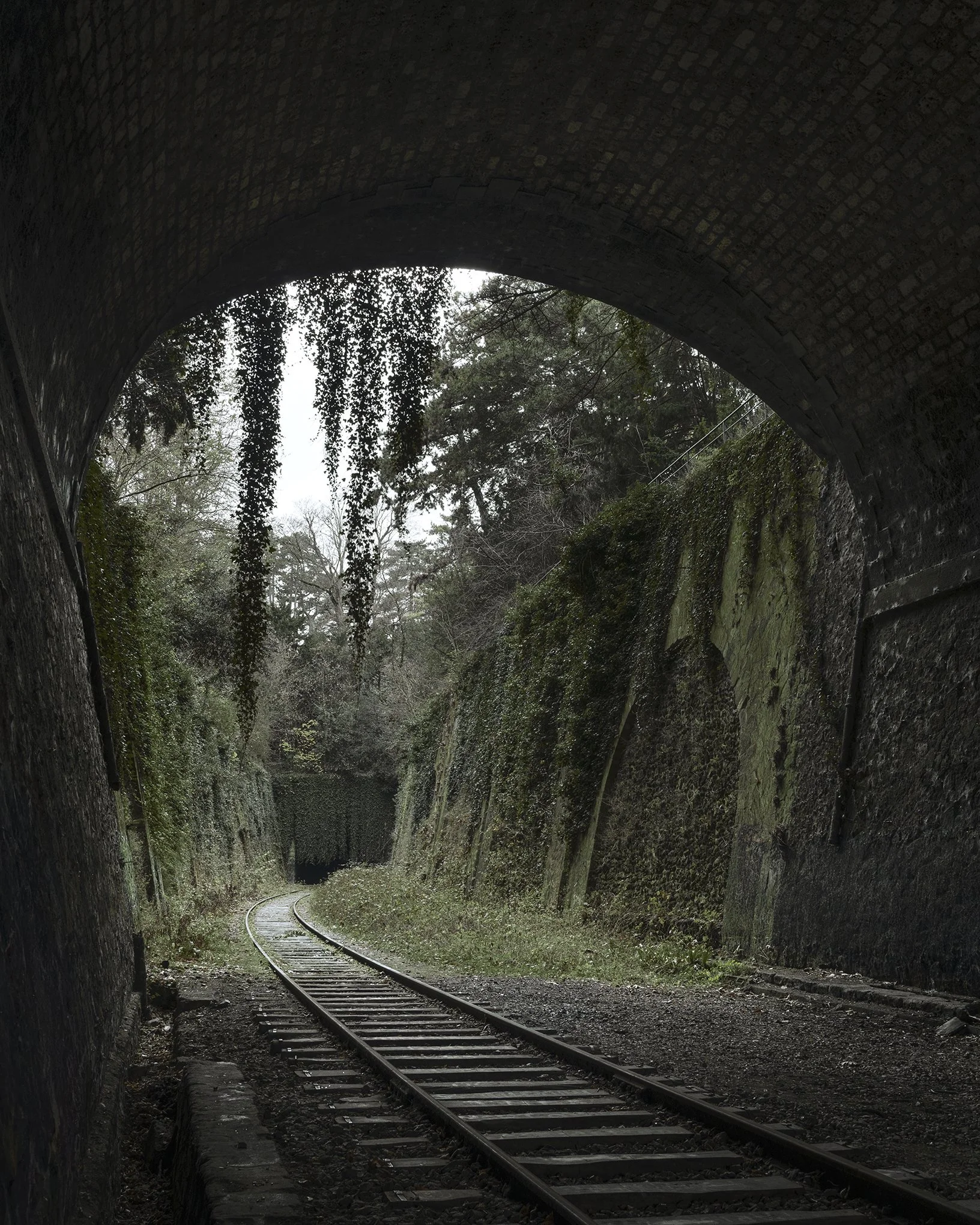
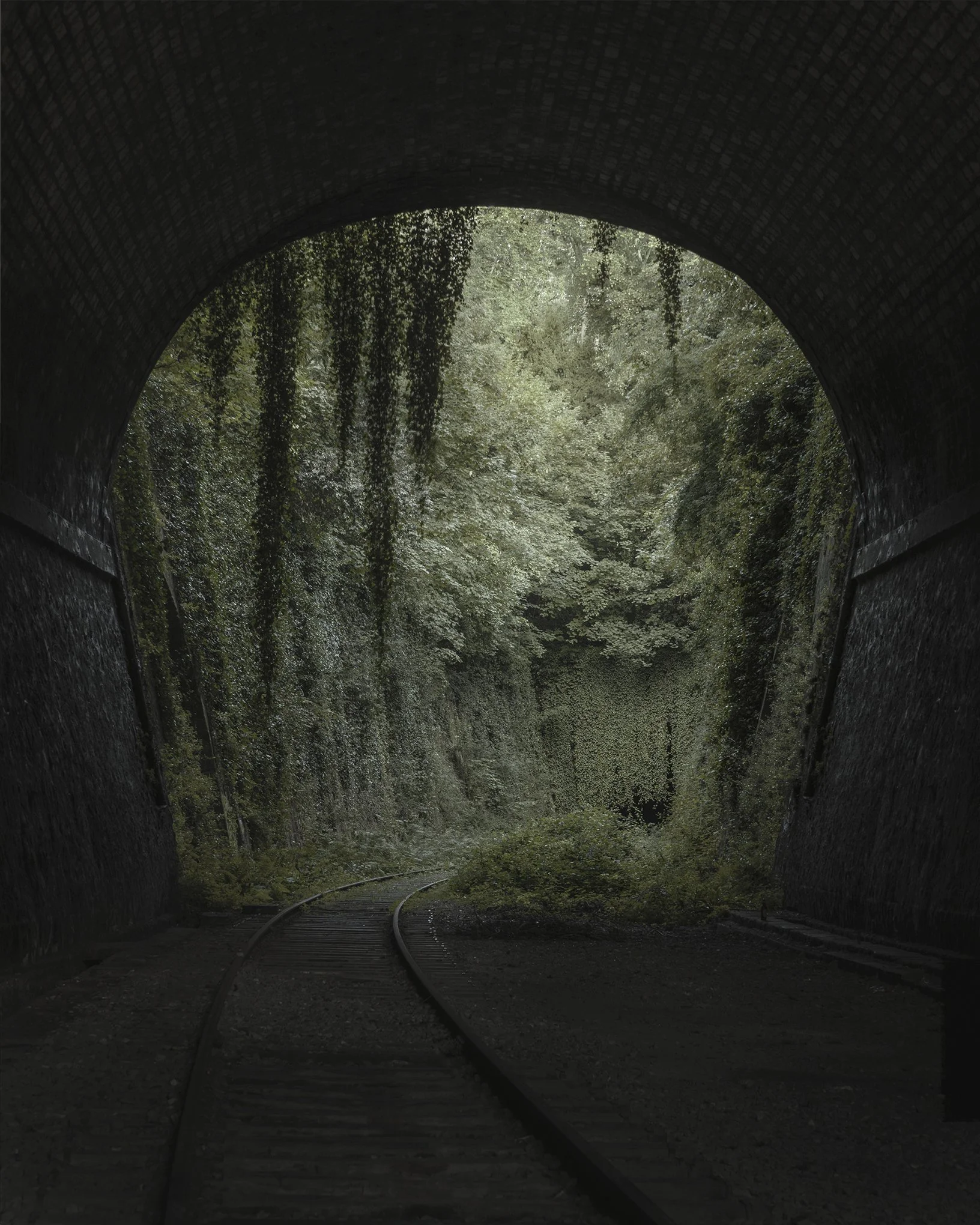
After the railway was largely abandoned, nature reclaimed the tracks, tunnels and railway structures. Vegetation grew between the rails, creating a unique green corridor hidden within the densely built city.
Today, the Petite Ceinture is a great spot for photography inside the Paris metropole. Also “The Little Belt” is an unusual reminder of Paris’s industrial past and of how the city has changed over time.