Casa Azul
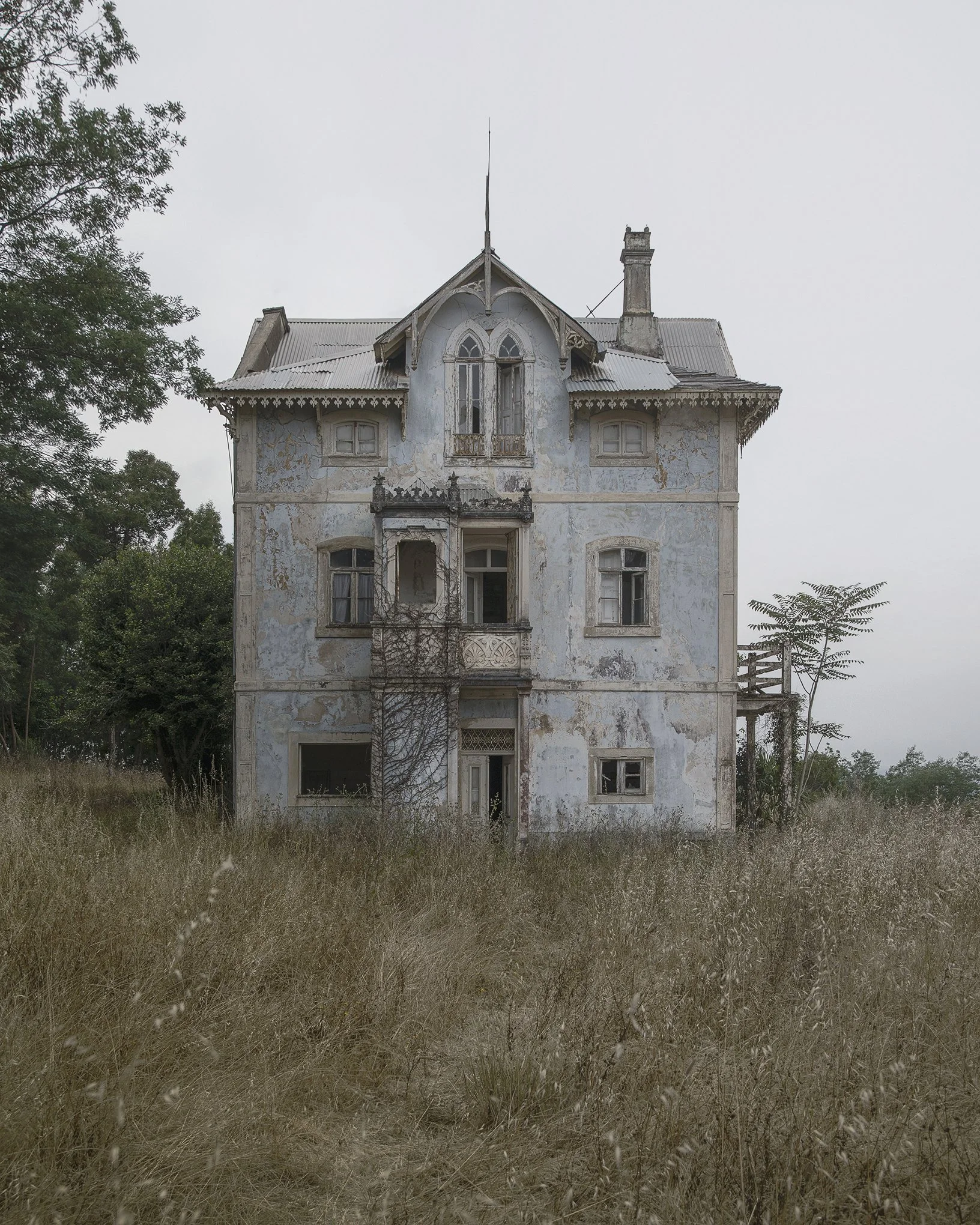
Casa Azul is an abandoned Portuguese country house that once belonged to a respected nobleman. It was intended as a peaceful rural retreat, away from the demands of public life.
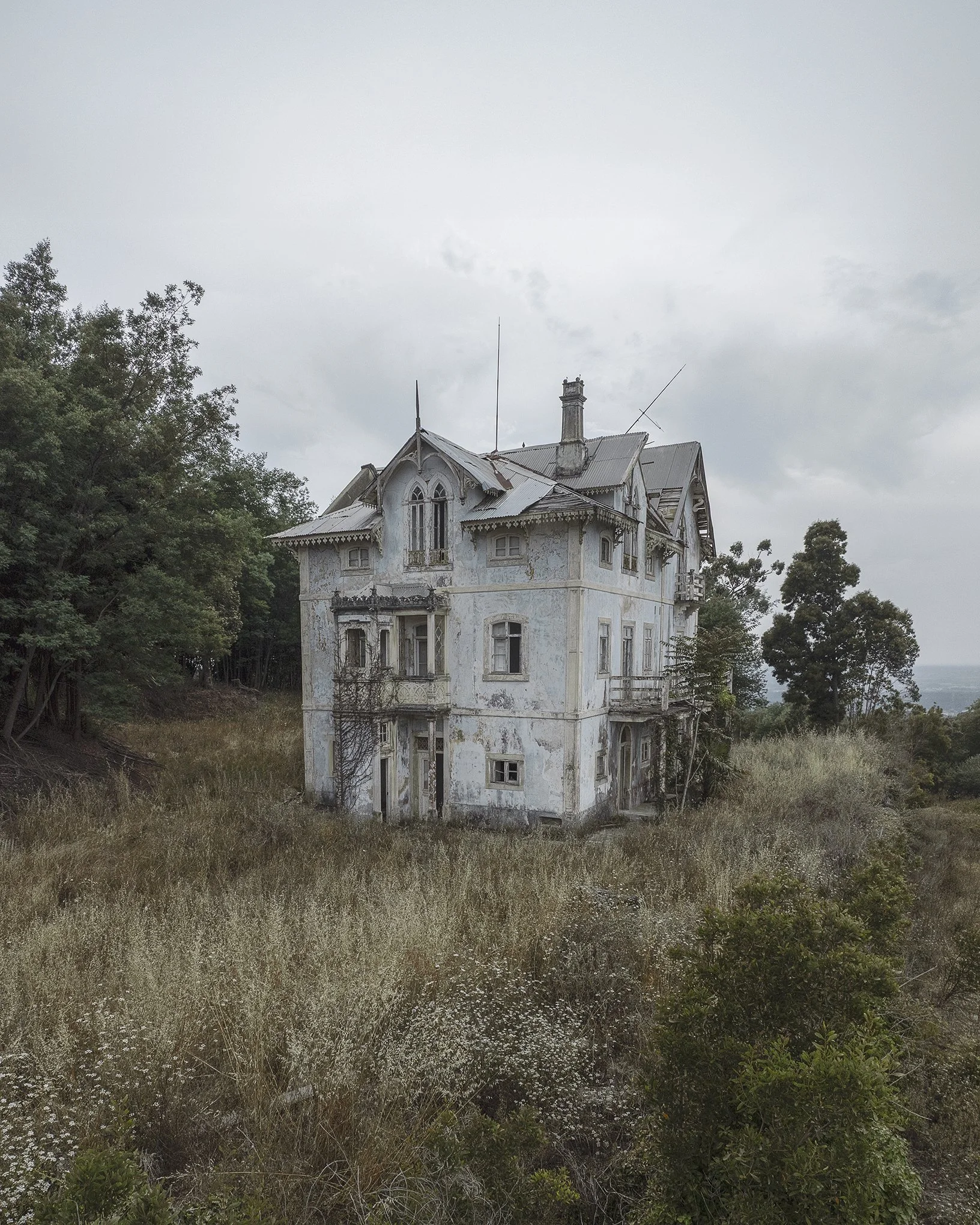
The distinctive blue-painted Casa Azul (meaning “the Blue House”), also known as “Chalet do Conde” (“Count’s Chalet”), “Count’s Chalet” or “Villa Victorienne”, is one of Portugal’s most remarkable abandoned country houses. Built in the late nineteenth or early twentieth century, the chalet was commissioned as a holiday residence by Count A, who was a respected politician, scholar, bibliophile, and one of Portugal’s greatest art collectors.
Count A was granted his noble title by King Carlos I at the beginning of the twentieth century. His principal residence in the city of Coimbra housed an extraordinary collection of paintings, sculptures, manuscripts, and rare books, while Casa Azul served as a peaceful rural retreat.
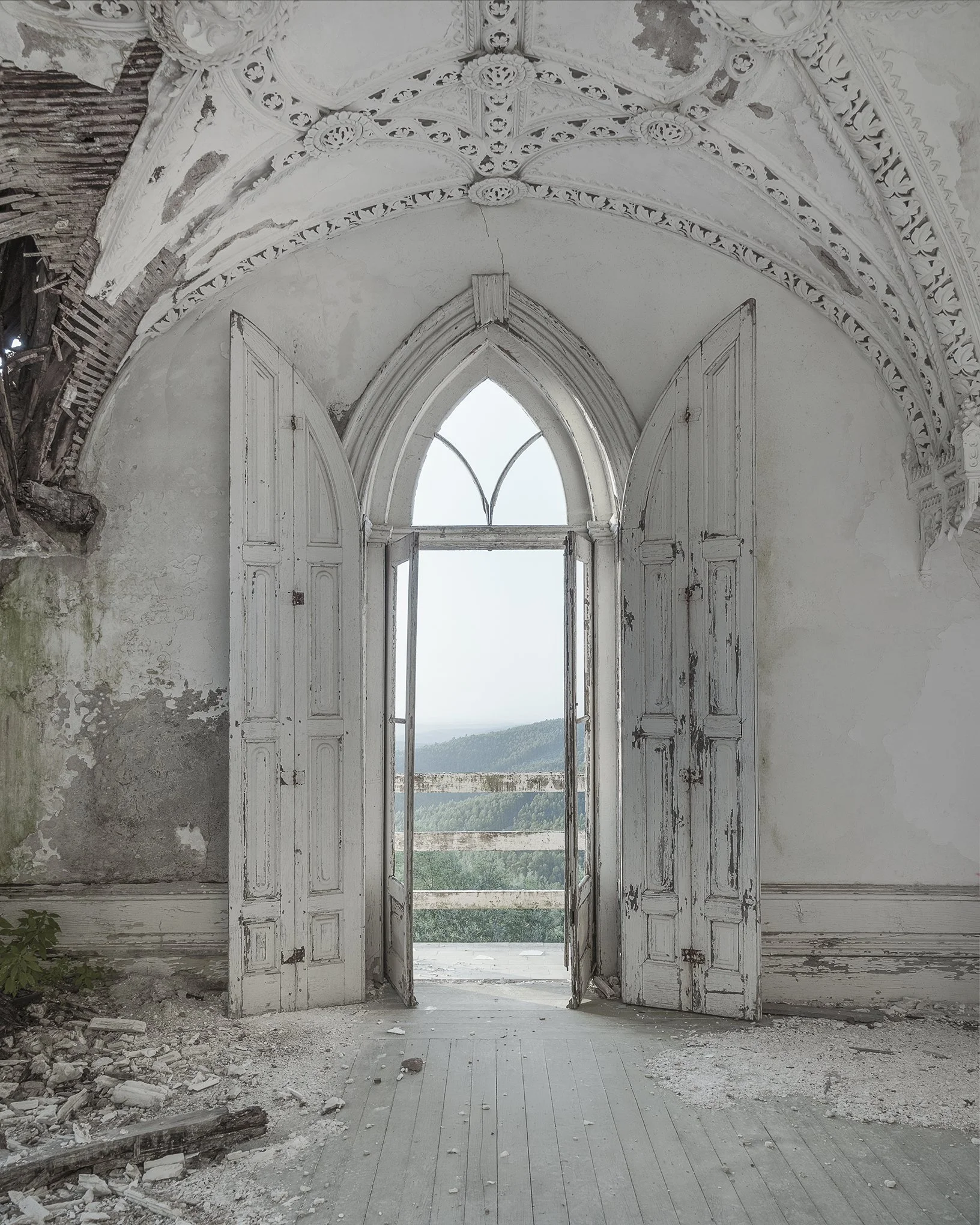
The house reflects the romantic architectural tastes popular in Portugal during this period. Its design combines Gothic Revival influences with chalet-style features. Inside, elaborate painted ceilings, carved woodwork, colourful wall decorations, and elegant reception rooms reflected both the wealth and refined artistic tastes of its owner. Although modest in size compared to grand aristocratic palaces, the chalet was built with remarkable craftsmanship and attention to detail, making it a unique example of Portugal’s eclectic architecture from the turn of the twentieth century.
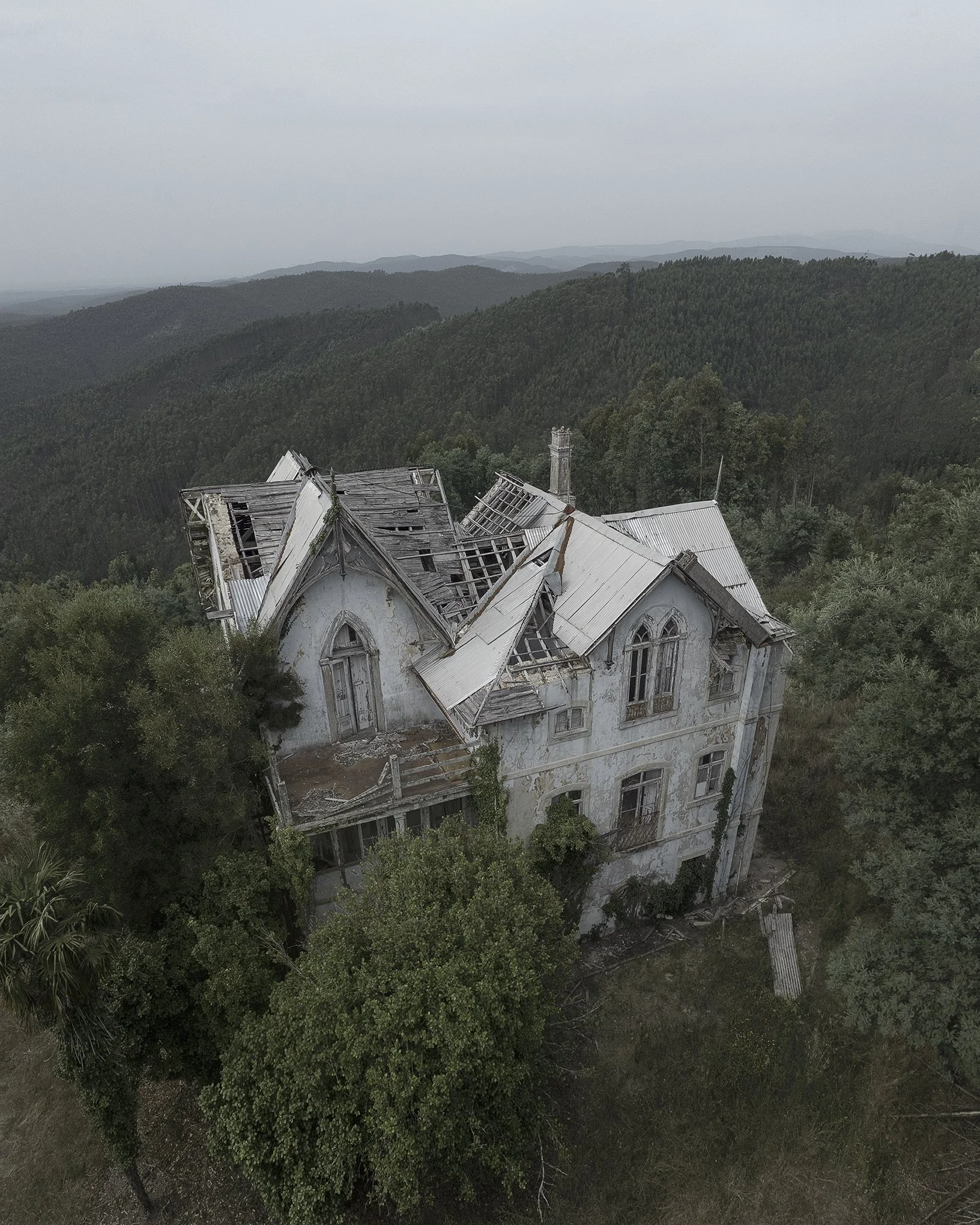
After decades of abandonment, much of the original interior has disappeared or deteriorated, but many of the building’s unique architectural features remain. Surrounded by the Portuguese hillsides, the house has become an iconic destination for photographers and those interested in historic abandoned buildings.
Following the Count’s death in the 1920s, ownership of the estate passed through his family. Sometime during the twentieth century, however, the house ceased to be used as a residence. The exact reasons for its abandonment remain uncertain. Over the years, the building gradually deteriorated due to neglect, exposure to the elements, and the absence of restoration work.
Despite the decline of the building, the surrounding grounds appear to receive occasional maintenance. At times the grass has been cut, while at other times the property has become more overgrown. The house was reportedly offered for sale for €1.3 million, although there is no publicly available information about whether there are plans to restore the building.