Convento de São Francisco
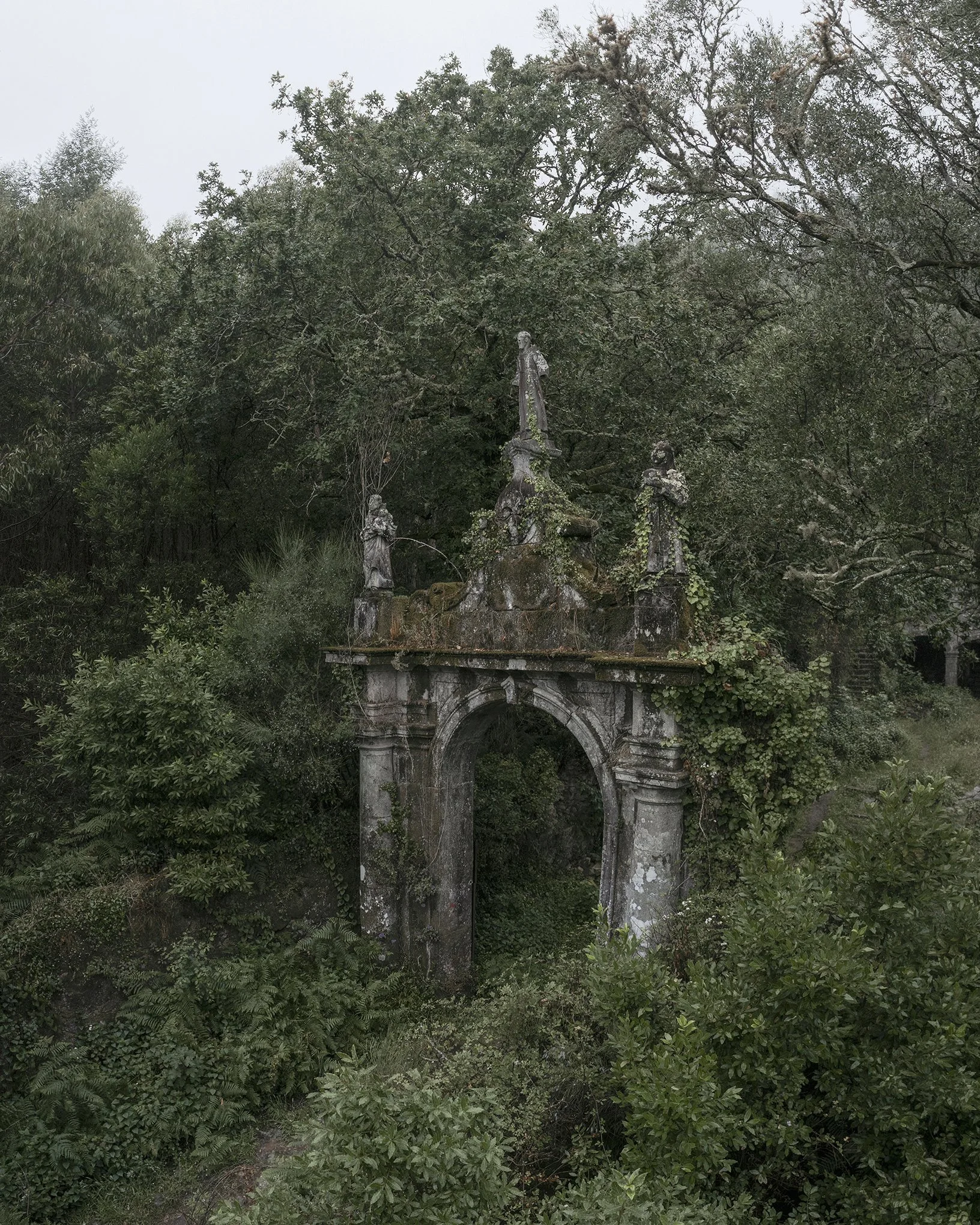
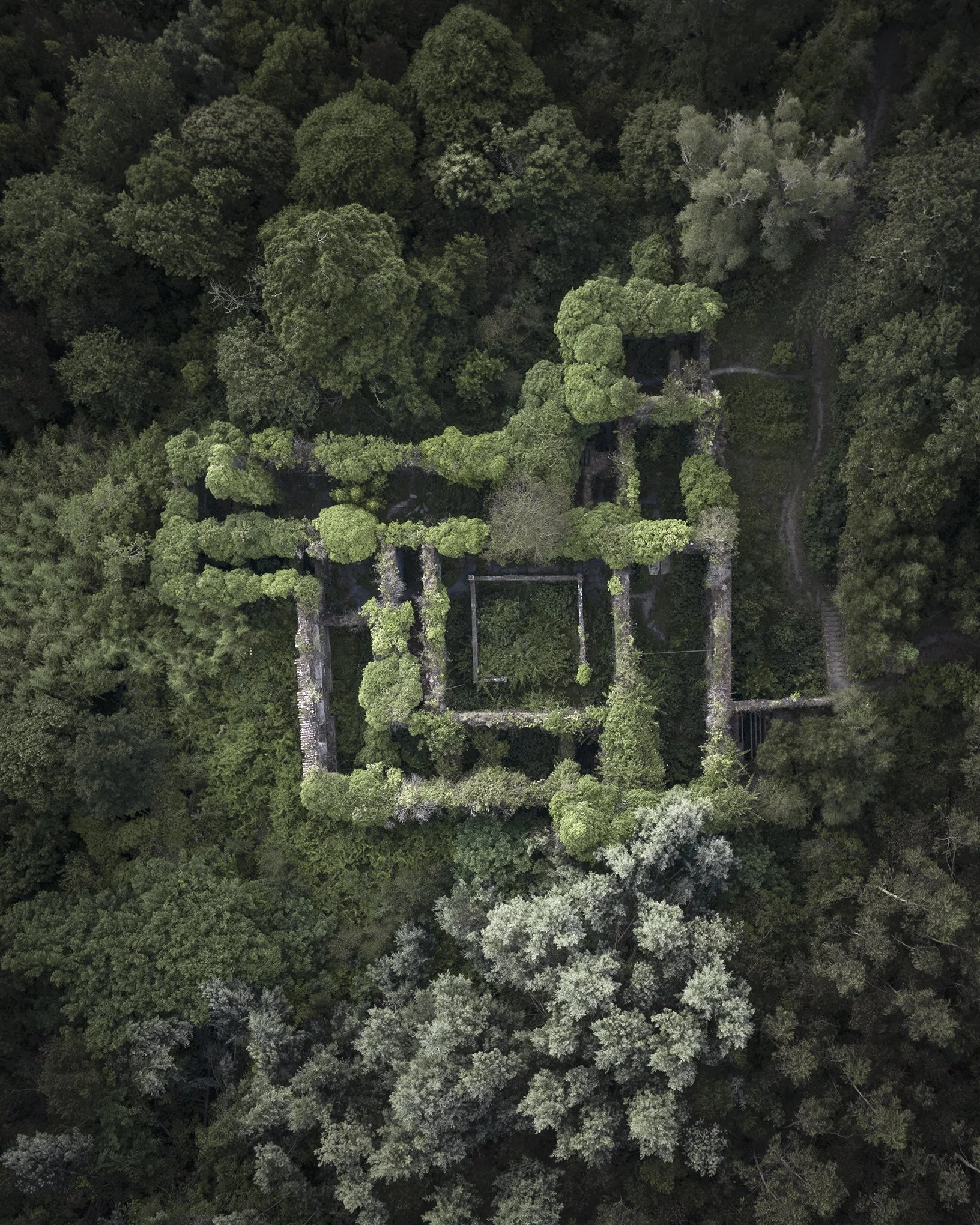
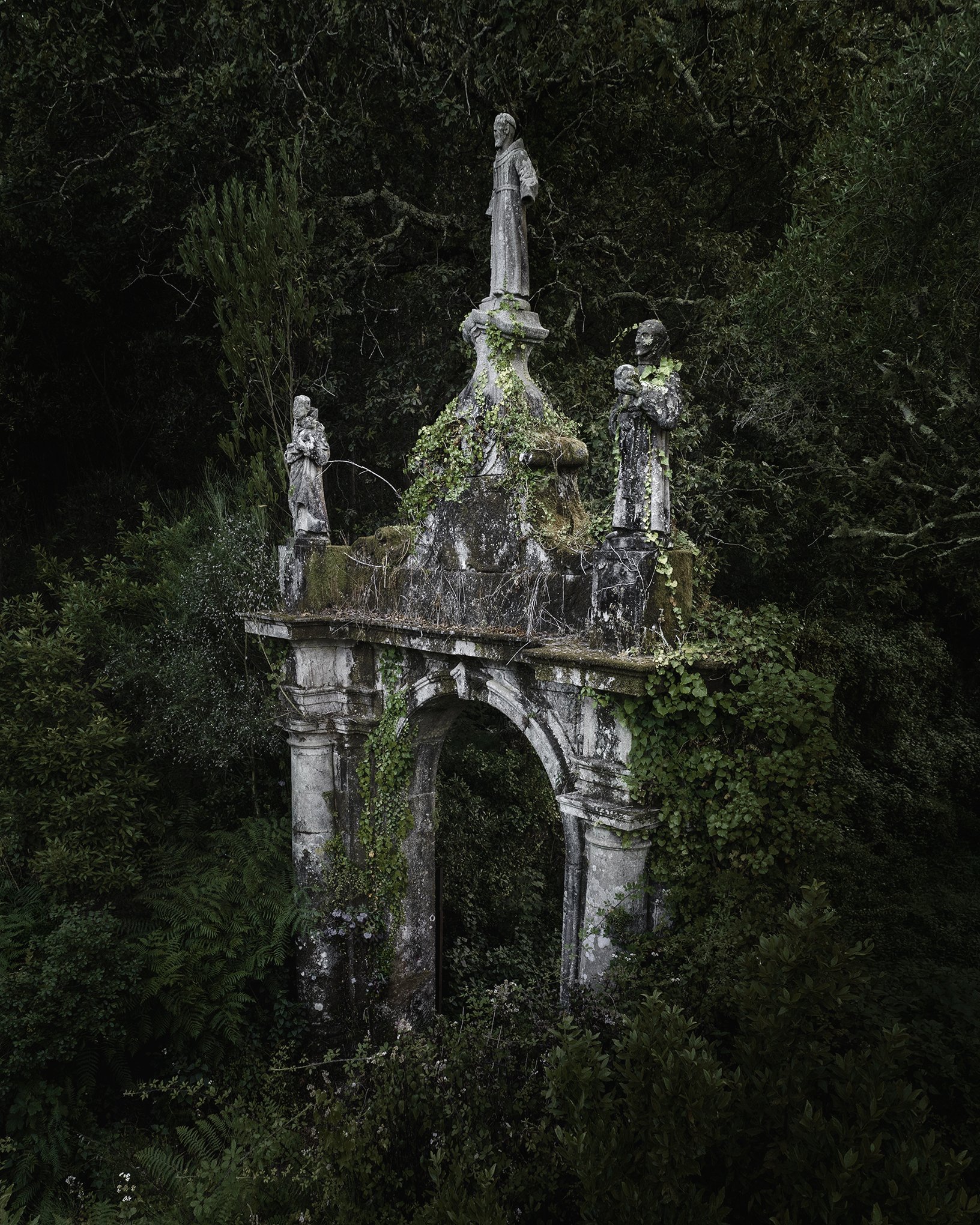
The Convento de São Francisco do Monte served for centuries as a religious centre dedicated to prayer and contemplation. It was nationalised after the Portuguese Liberal Wars in the 1830s, and over the following decades it gradually became a picturesque hillside ruin.
The Convento de São Francisco do Monte was founded in the late fourteenth century as one of Portugal's earliest Franciscan convents — a place where members of a Christian religious order lived, worked, and worshipped together under a shared set of rules.
For centuries, it housed a Franciscan religious community, although its importance gradually declined after the friars moved to a new convent in Viana do Castelo during the early seventeenth century. By the beginning of the nineteenth century, the hilltop convent had already lost much of its former prominence.
The most significant turning point in the convent's history came during the political and social upheavals of the nineteenth century. In 1834, following the Liberal Wars, the Portuguese government abolished the country's religious orders and nationalised their properties. Like many monasteries and convents across Portugal, the convent was abandoned by its Franciscan community and transferred to state ownership before eventually being sold into private hands. This marked the end of almost 450 years of continuous religious occupation.
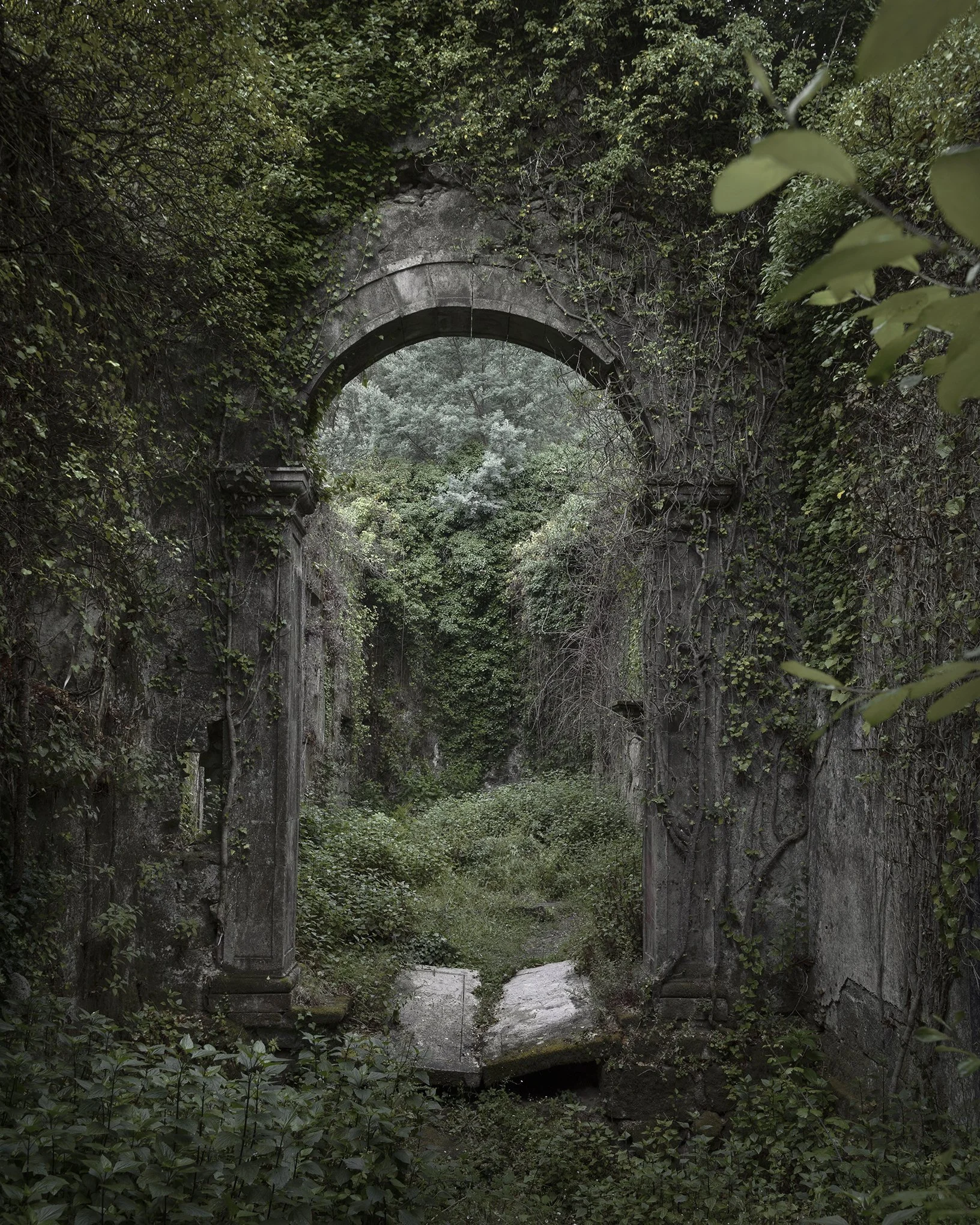
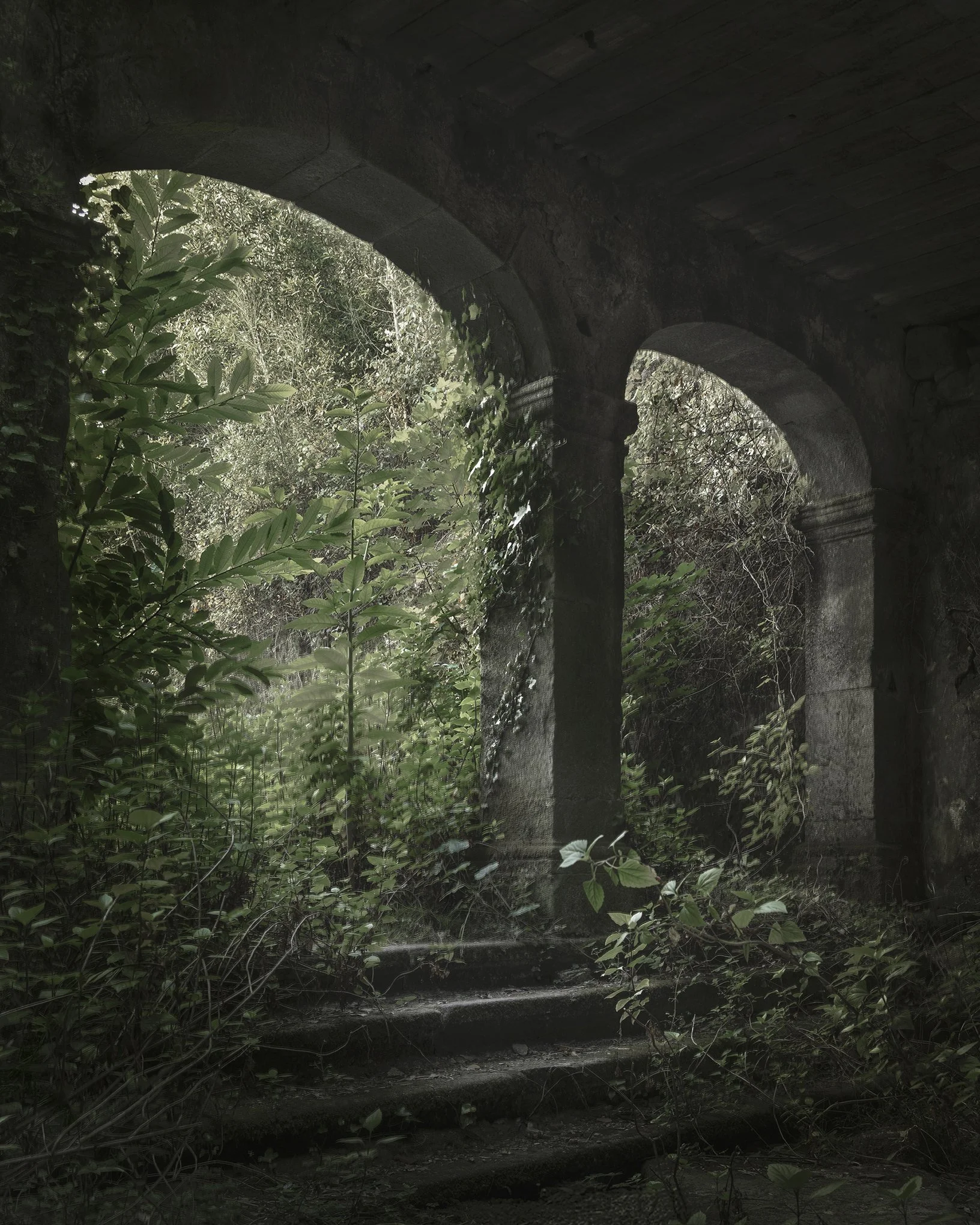
Without a resident religious community or the financial resources required for maintenance, the buildings quickly fell into decline. Roofs collapsed, walls deteriorated, and many architectural elements were removed or reused elsewhere.
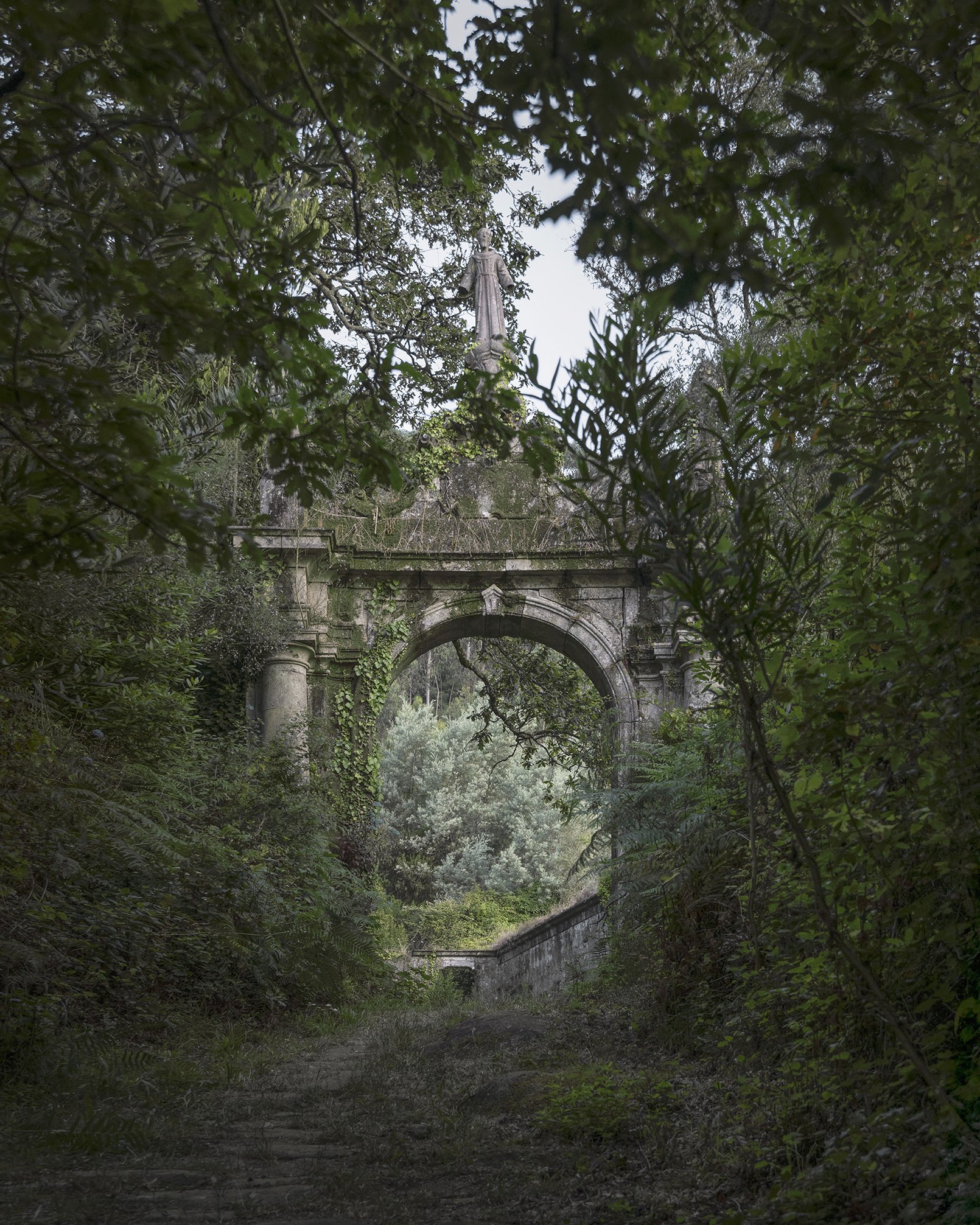
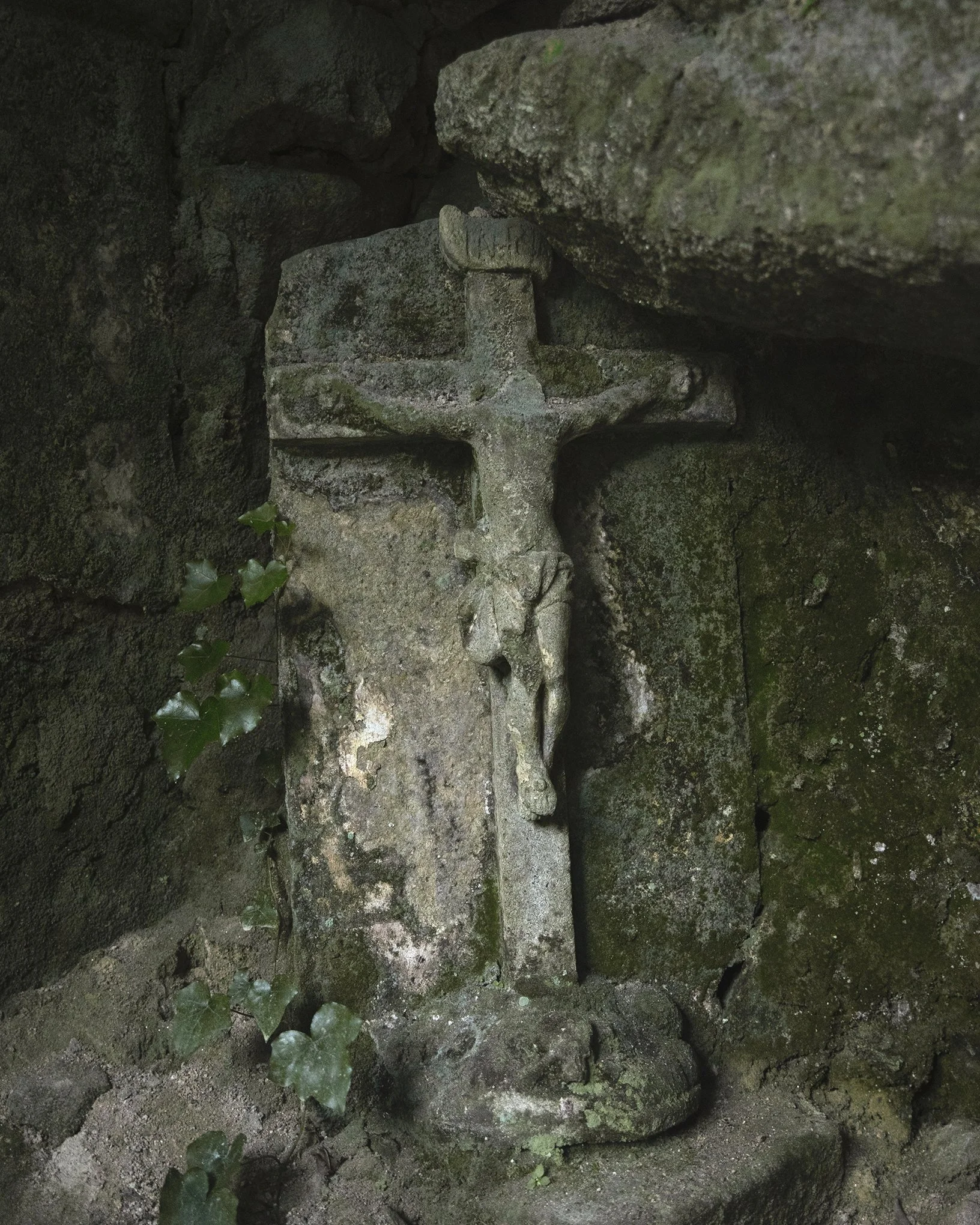
In more recent decades, the remaining structures have been recognised as an important element of the region's cultural heritage. Conservation efforts have focused on stabilising the surviving masonry and protecting the historic entrance cross (cruzeiro), one of the best-preserved features of the complex. Although the convent remains largely in ruins, explorers can climb the hill and explore the silent remains of this historic site.