Palac B
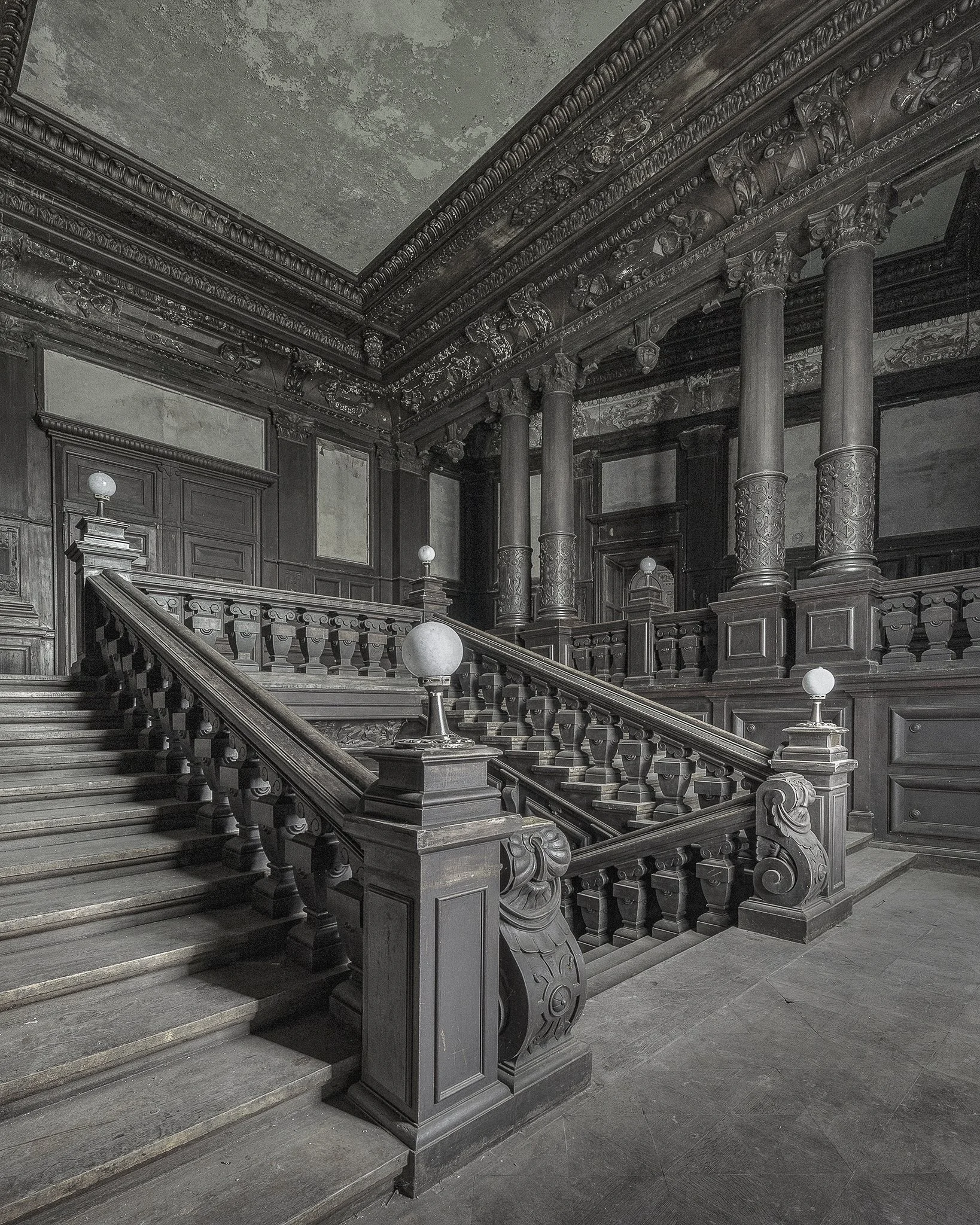
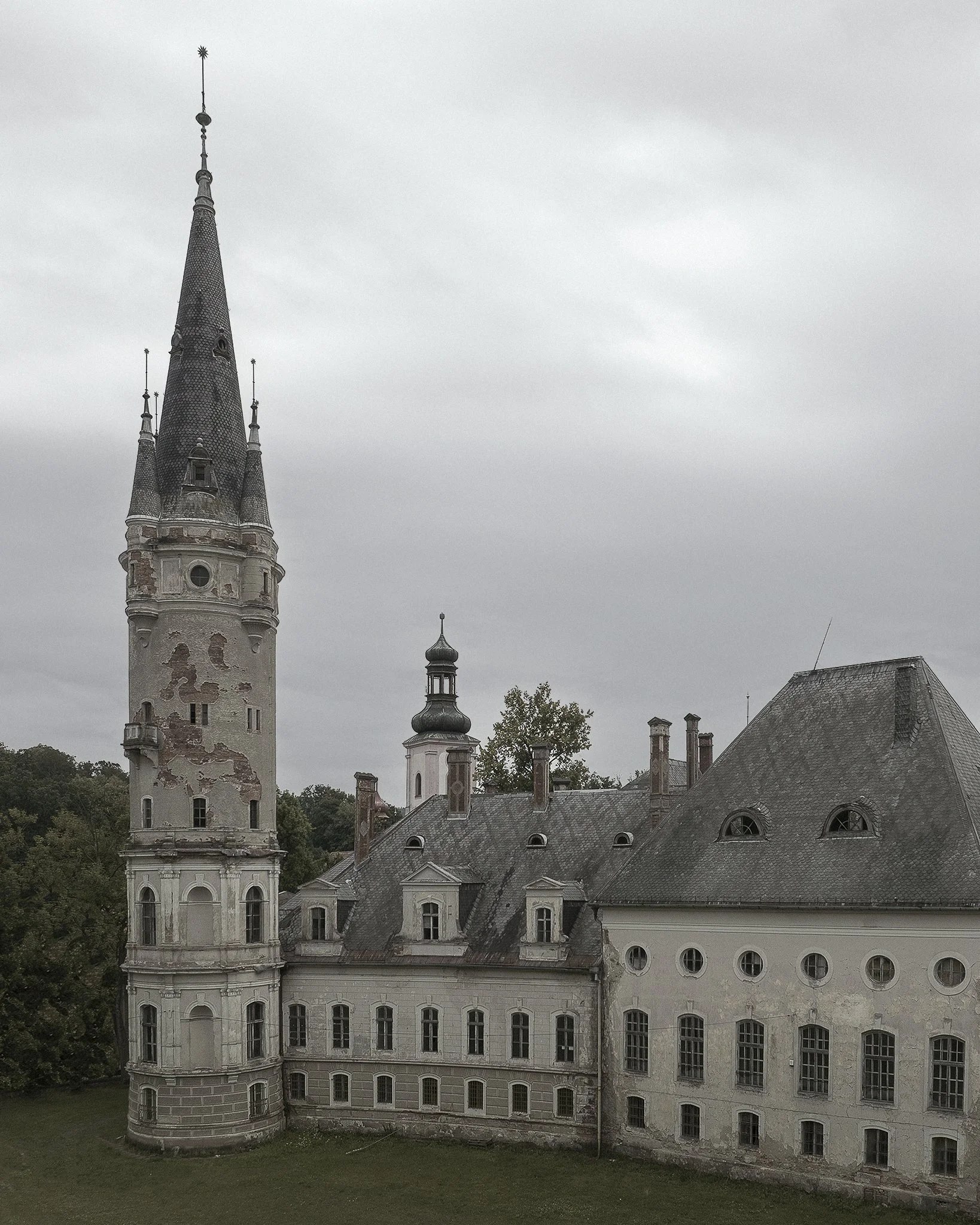
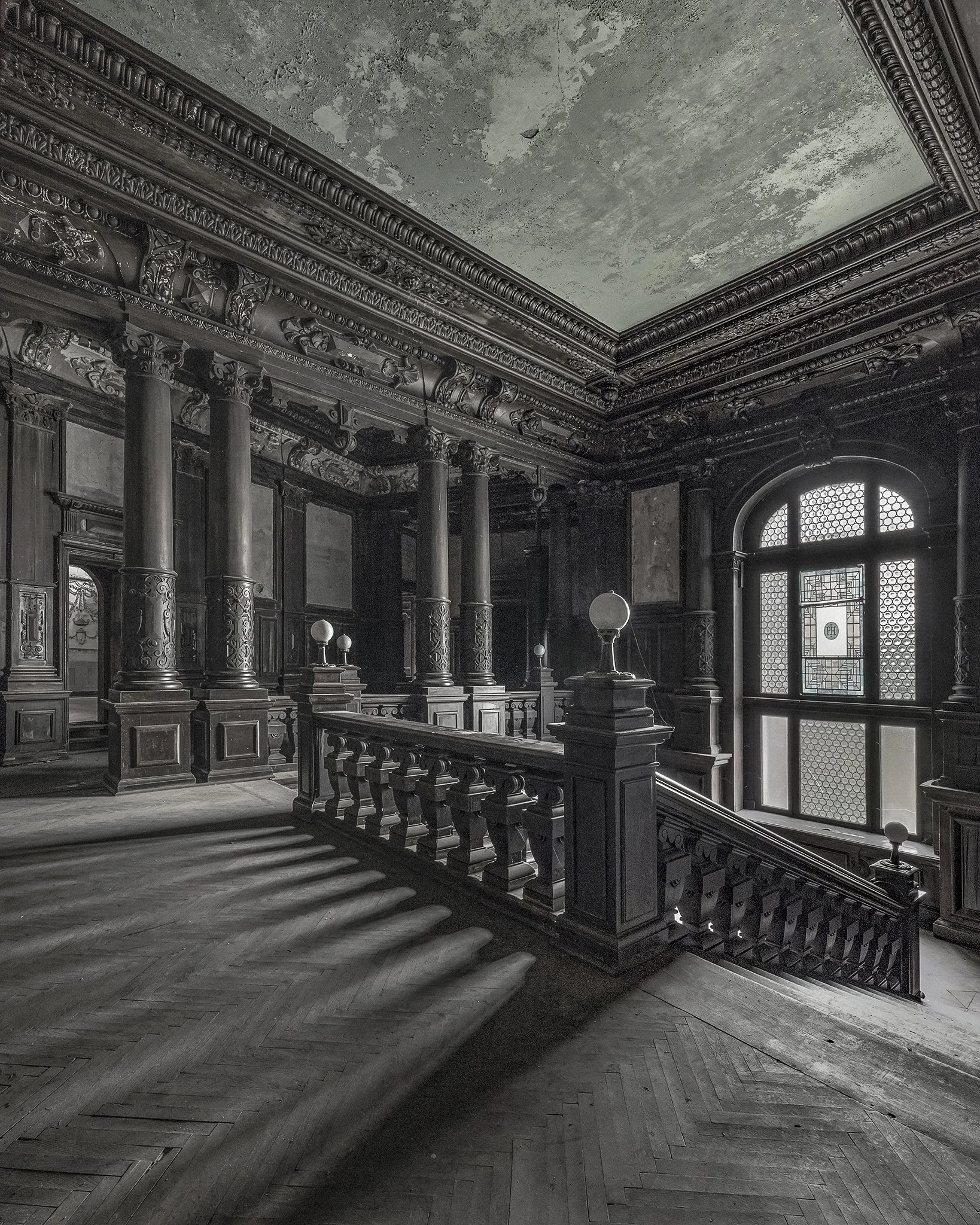
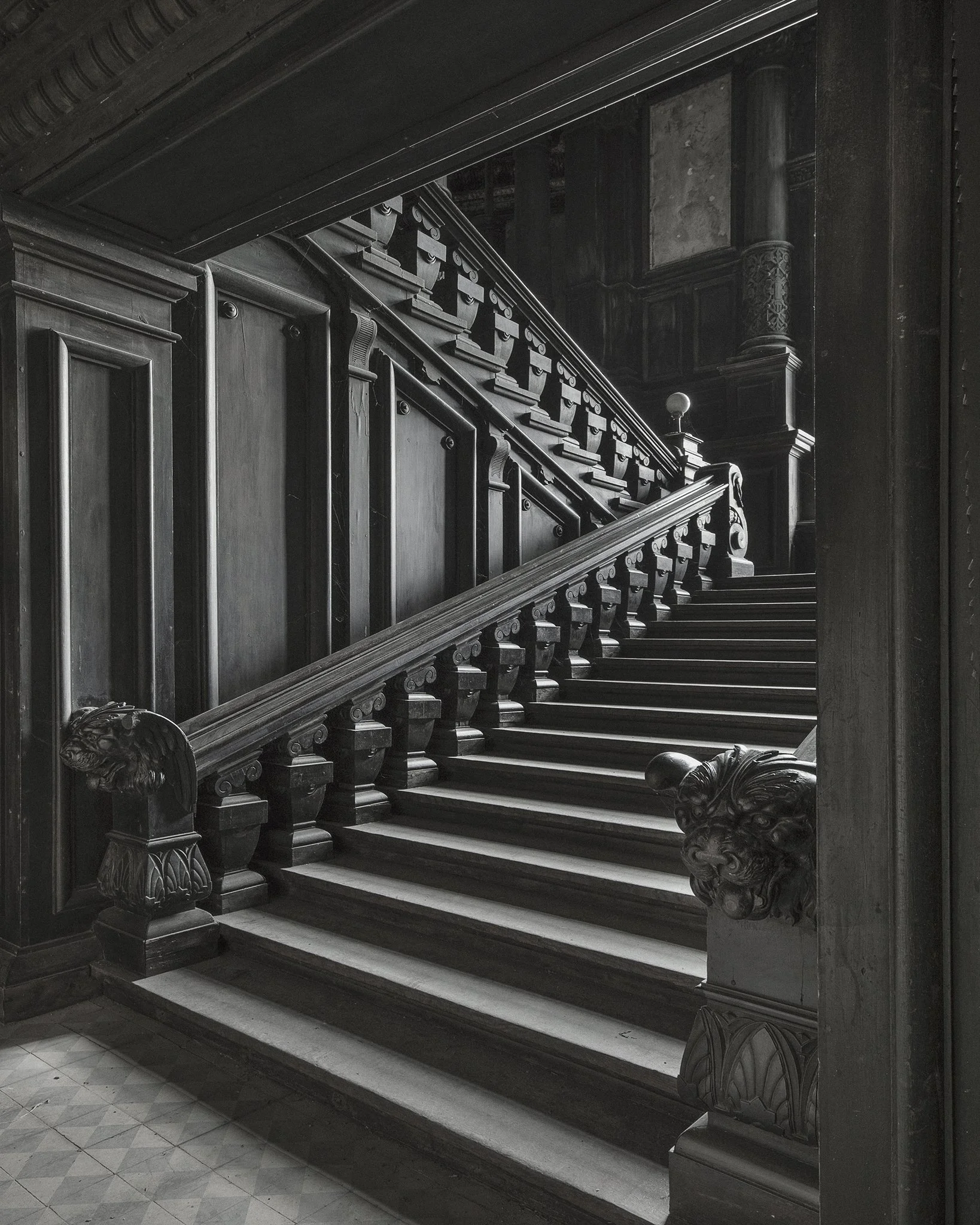
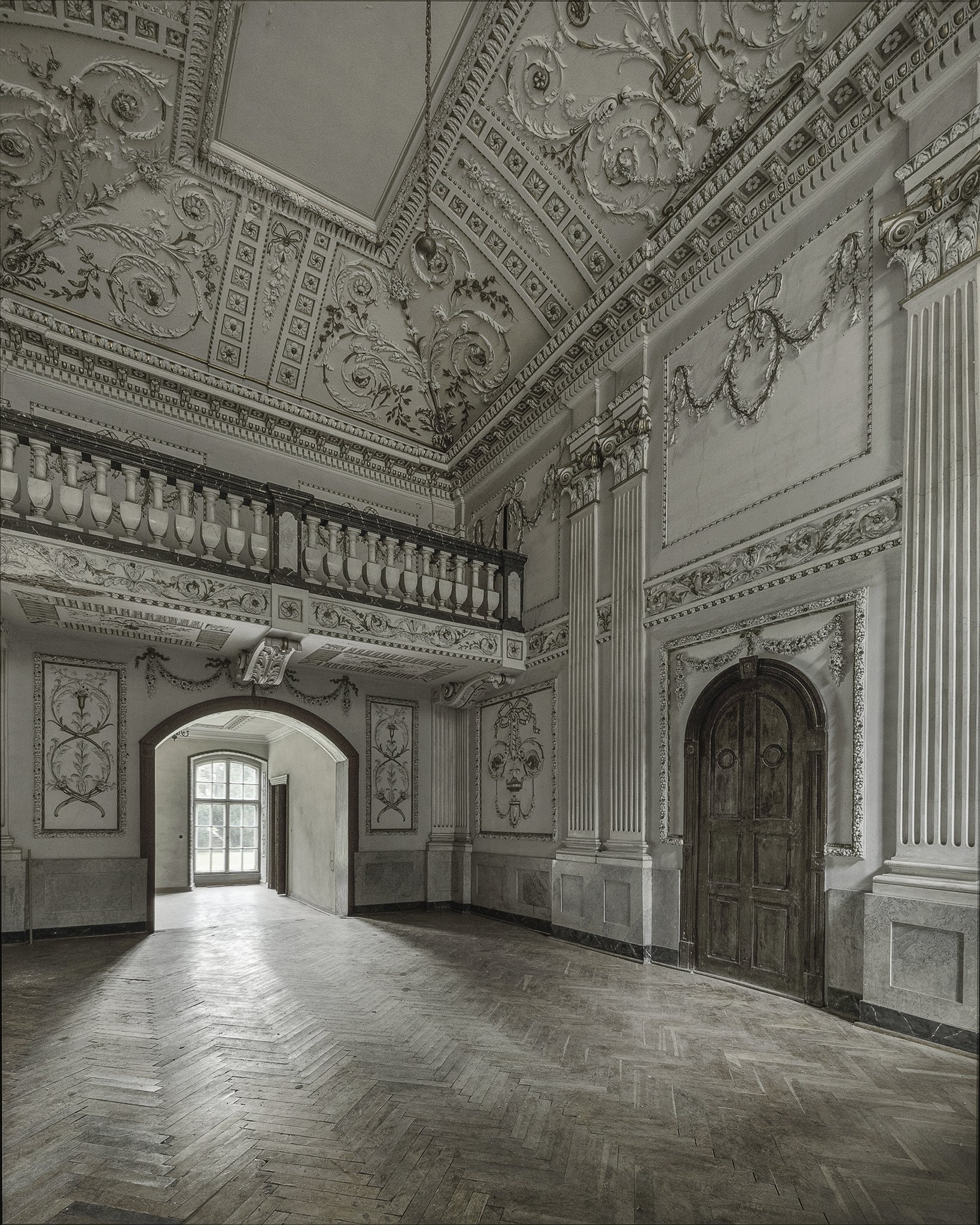
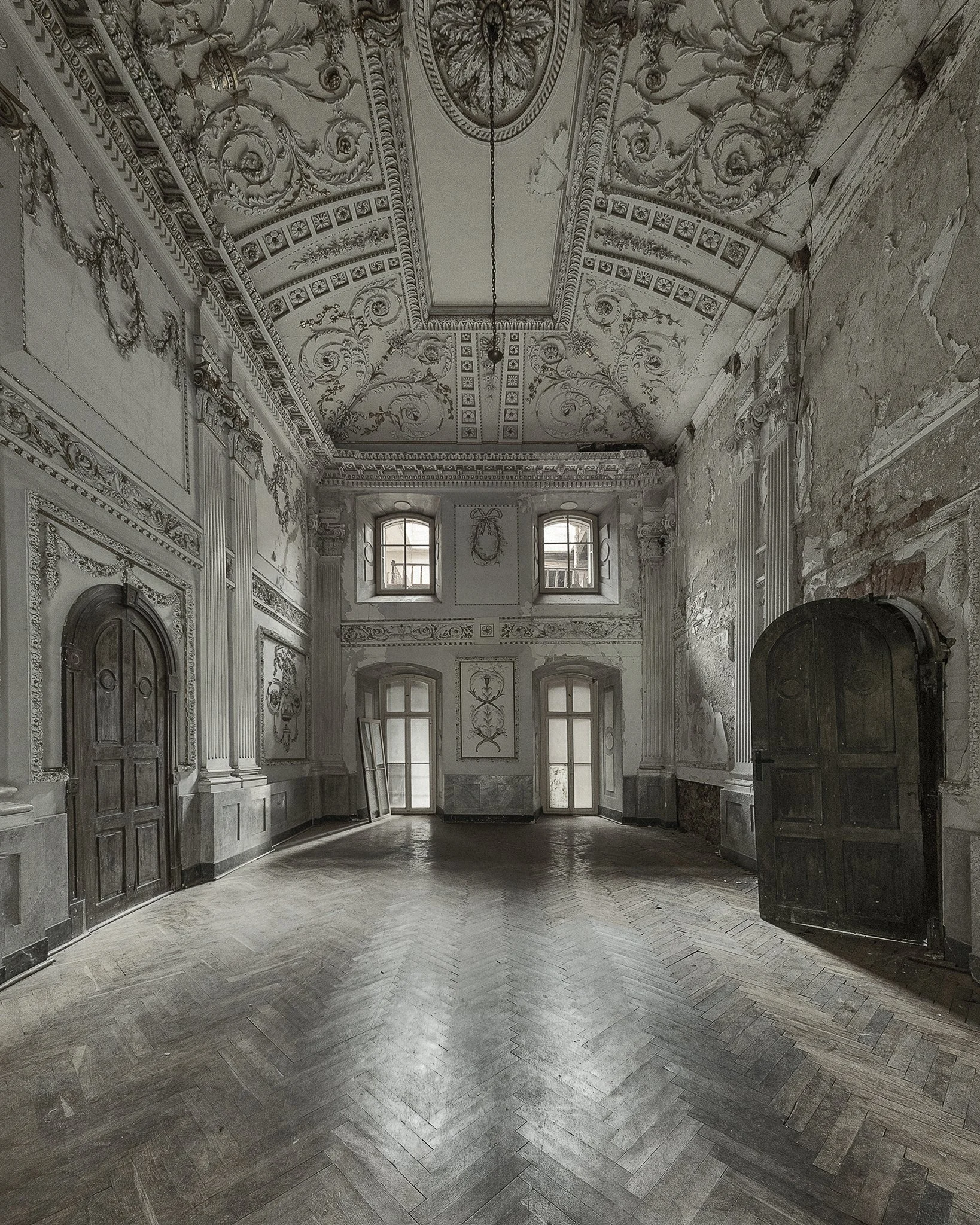
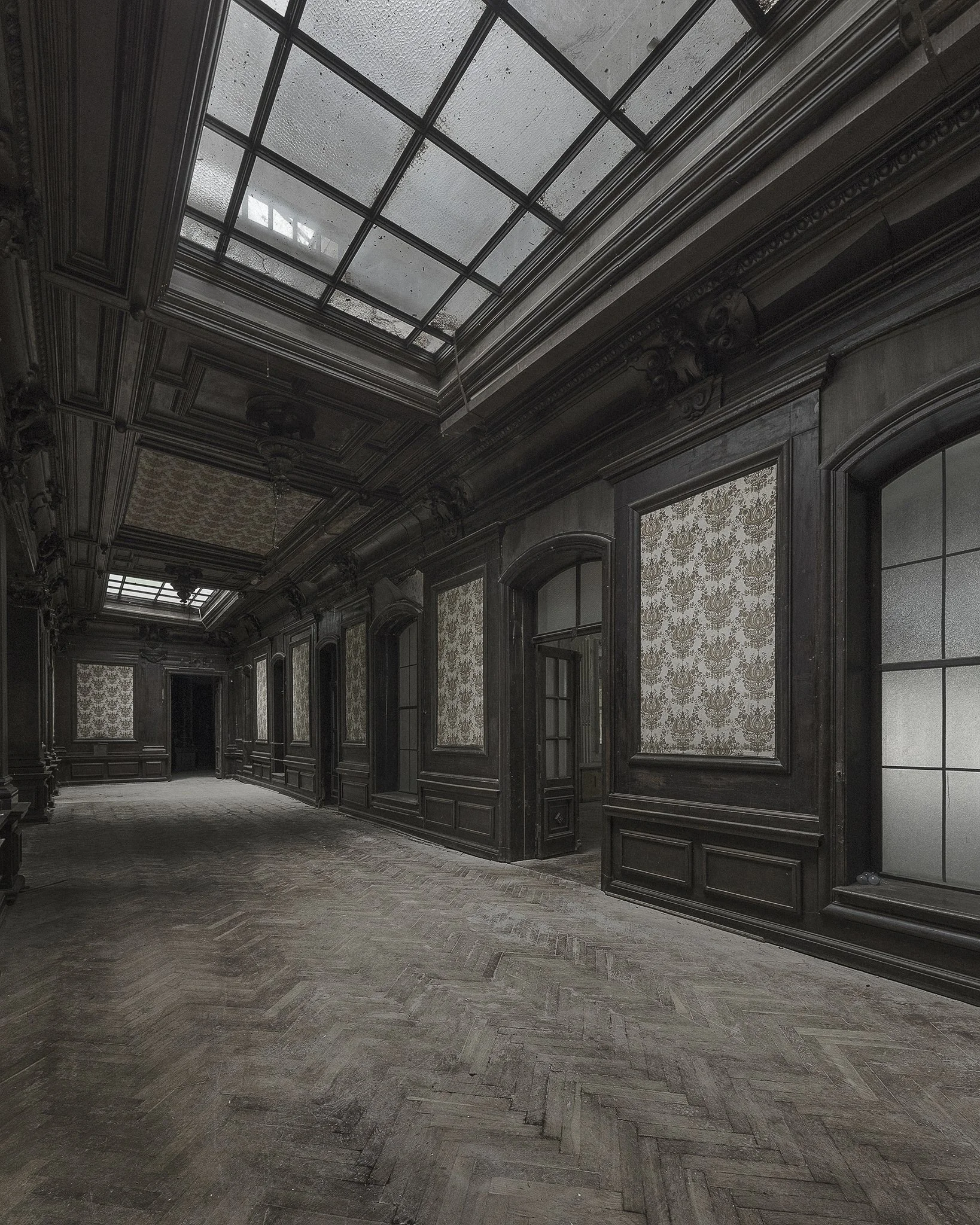
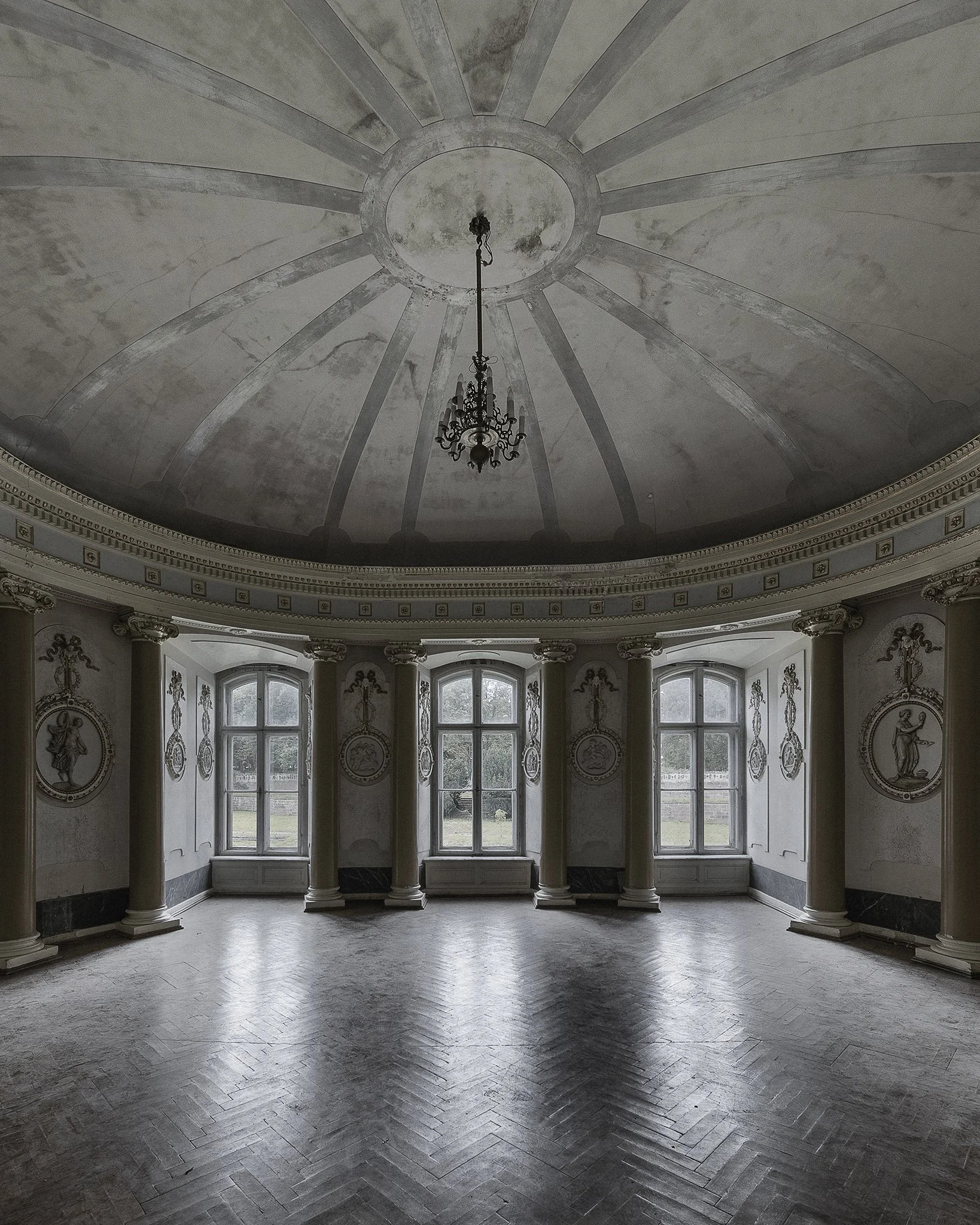
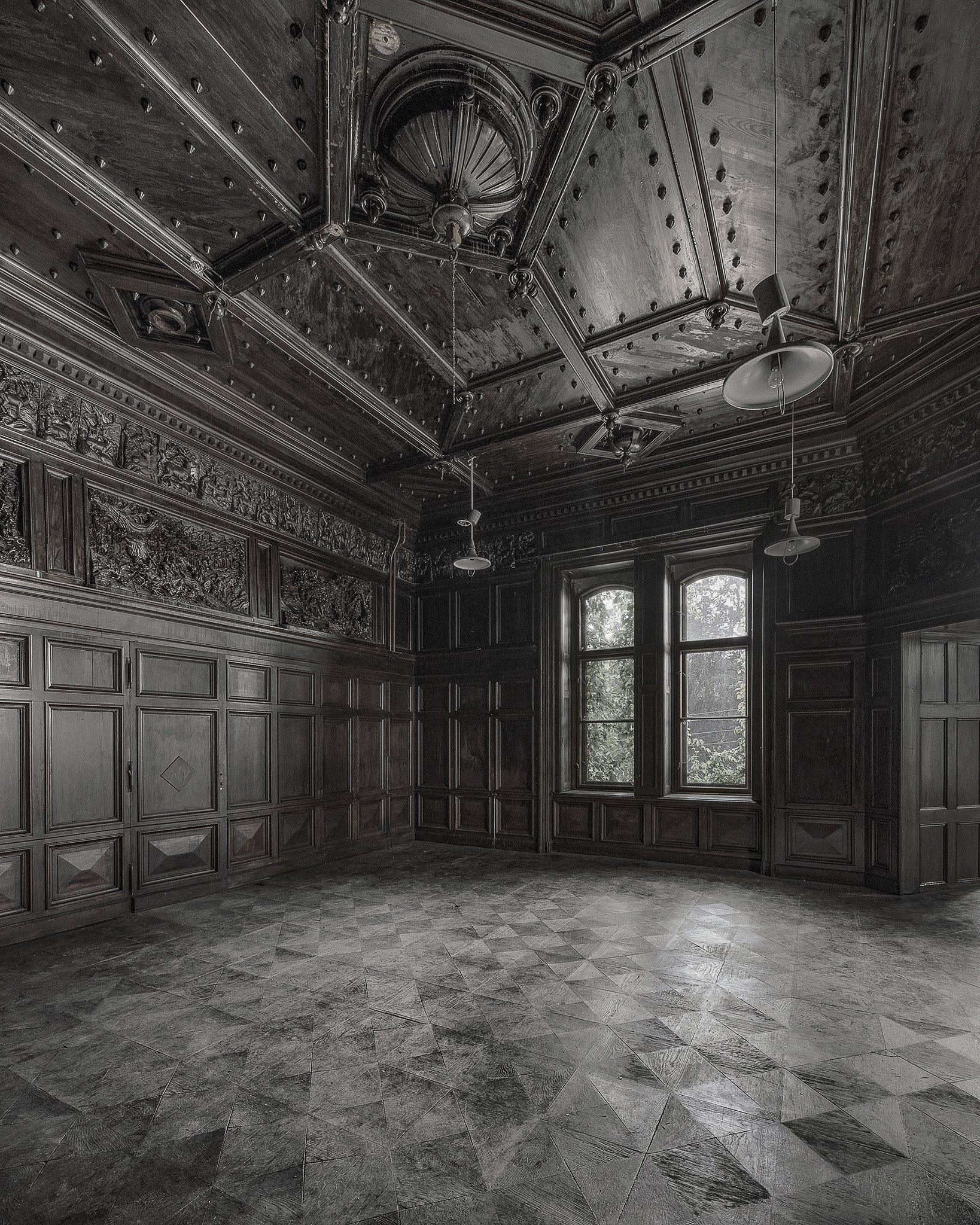
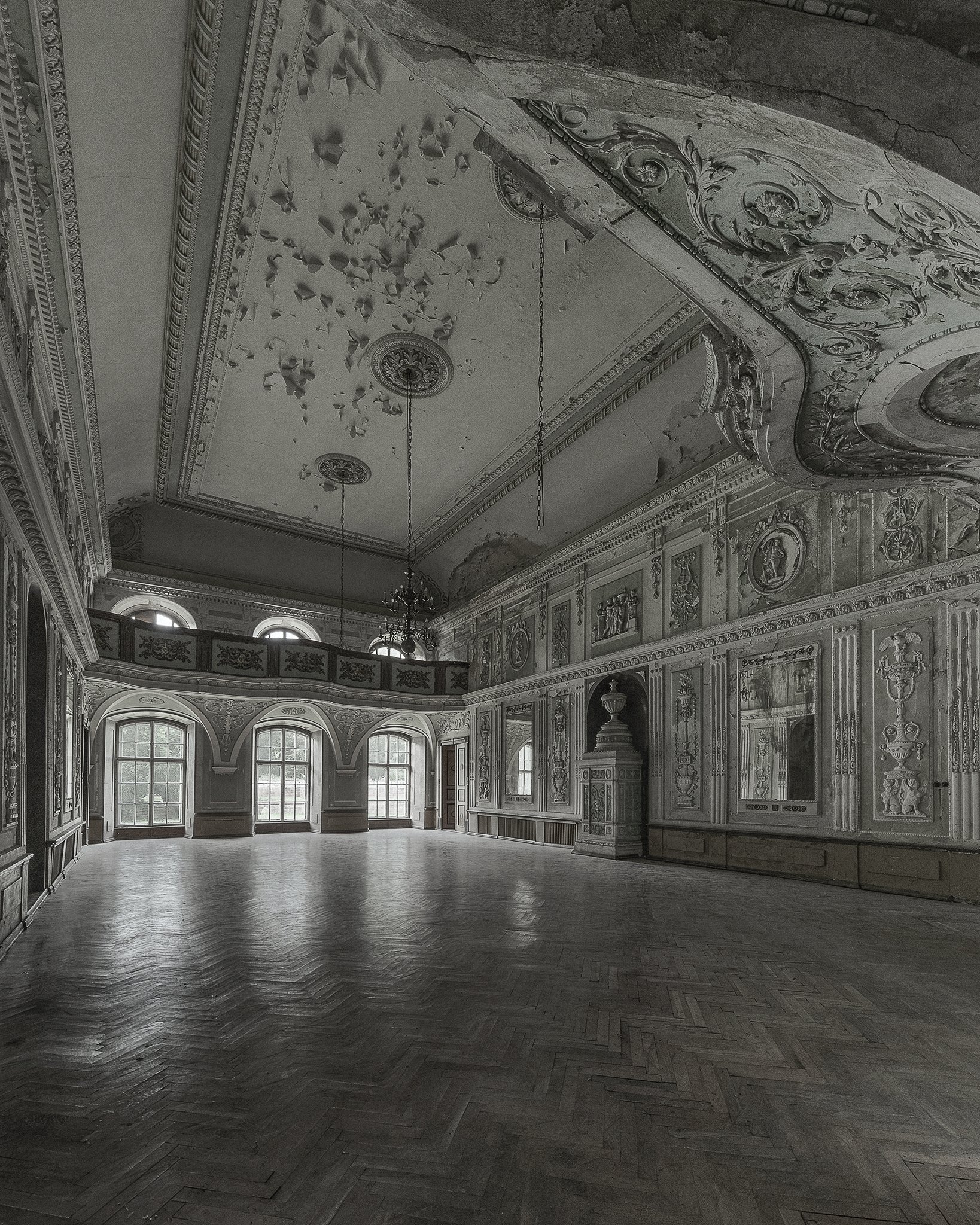
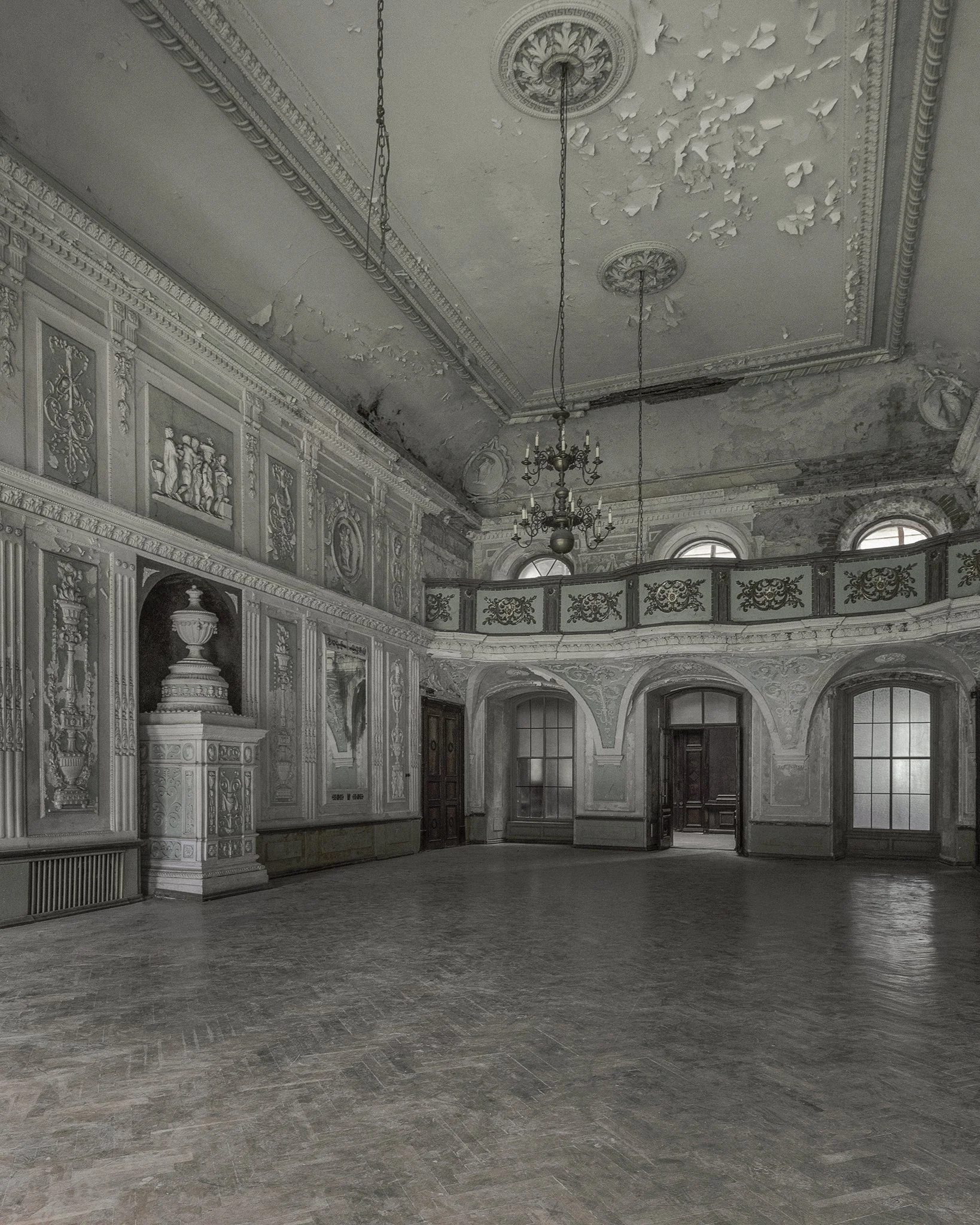
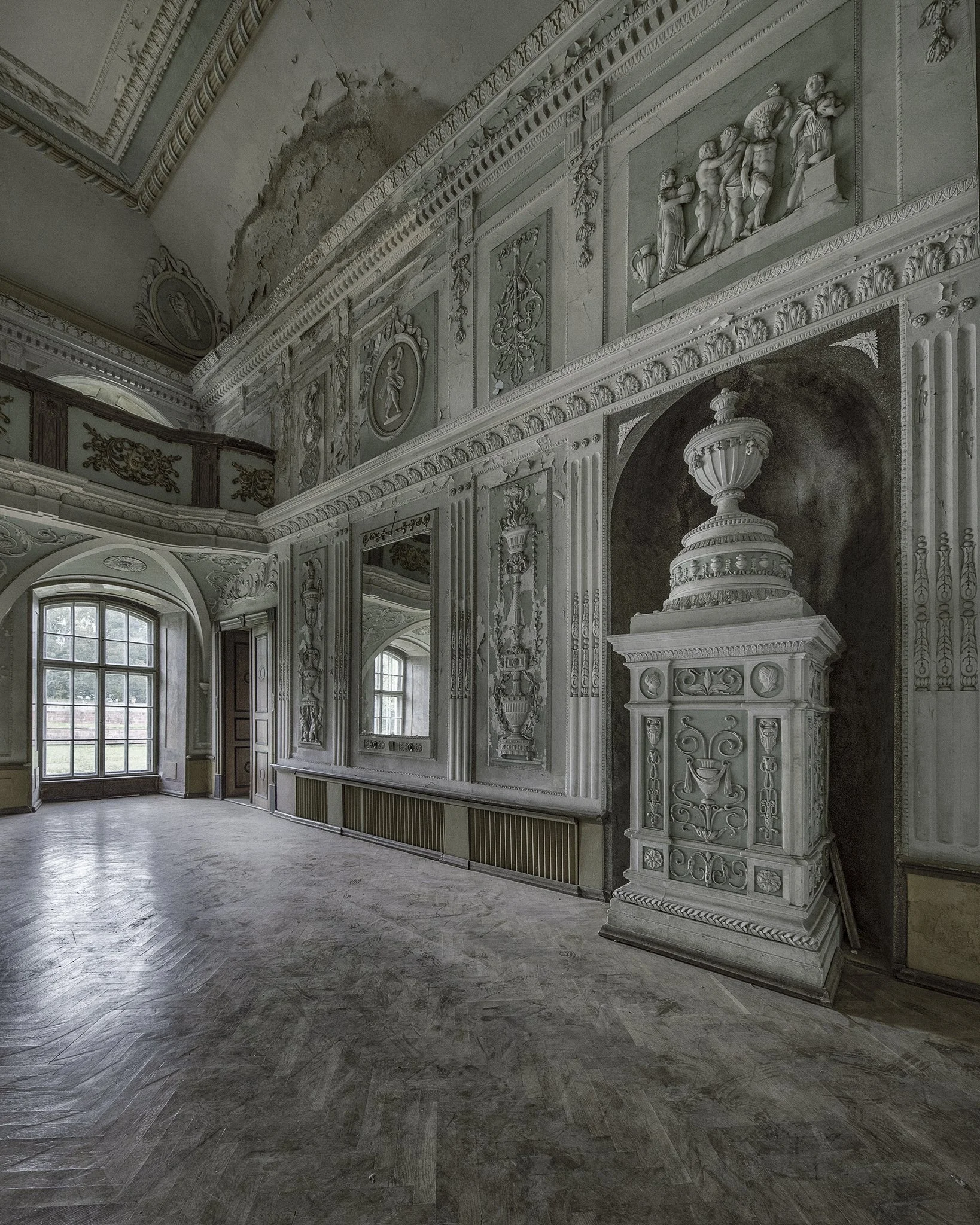
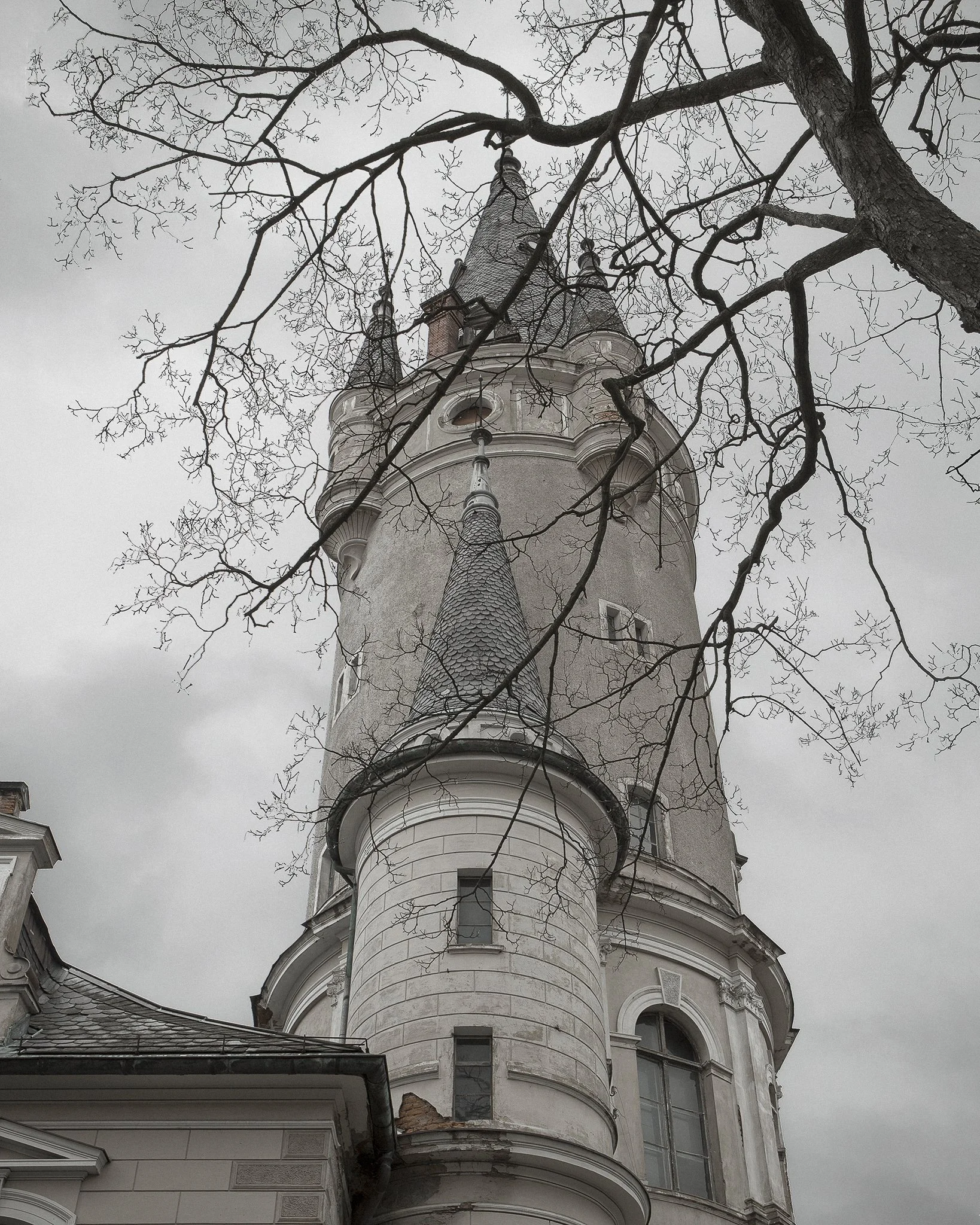
From aristocracy to a state-owned agricultural school, Palac B has lived through Poland’s tumultuous history. It is easy to imagine kings and presidents once walking these halls. Today, the palace stands largely forgotten, with hardly anyone passing through its doors.
The history of Palac B stretches back to the sixteenth century, when a Renaissance manor was built on the site. Over the following centuries, the estate passed through the hands of several noble families and gradually developed into an important aristocratic residence.
A major transformation took place in the late eighteenth century, when the von Magnis family acquired the estate. Between 1787 and 1792, the earlier residence was extensively rebuilt and enlarged, giving it the character of an elegant Baroque and early Neoclassical palace. The surrounding grounds were developed as an impressive aristocratic estate, with gardens, parkland and various ornamental and recreational features.
During the nineteenth century, the residence underwent further changes. A serious fire around 1870 resulted in another major reconstruction, after which the building acquired the striking historicist appearance that largely defines it today. The estate became a centre of aristocratic and political life, hosting distinguished guests and social gatherings. Among its visitors was John Quincy Adams, then the American minister to Prussia and later the sixth President of the United States, who stayed there in 1800. King Frederick William III of Prussia and Queen Louise were also among the notable royal visitors.
Palac B remained in the possession of the von Magnis family until the upheavals of the Second World War. After 1945, when the region became part of Poland, the property was taken over by the state and used for educational and agricultural purposes, like many other similar buildings.
In the decades that followed, the historic complex gradually fell into decline. Despite its protected status, insufficient maintenance and changing ownership contributed to severe deterioration. Yet the building continued to attract attention. In 1981, its atmospheric interiors and surroundings were used as a filming location for Dreszcze (Shivers), a Polish film directed by Wojciech Marczewski.
Today, the palace remains a reminder of an aristocratic world that largely disappeared after the Second World War. Like that world, the palace itself is slowly decaying. As we walked the silent corridors of Palac B, the groundskeeper ran around, making sure the rainwater would find its way to the drain, since the gutters were clogged. Reinforcing beams had been attached in many of the rooms, and it seemed that a fight against the inevitable was taking place.