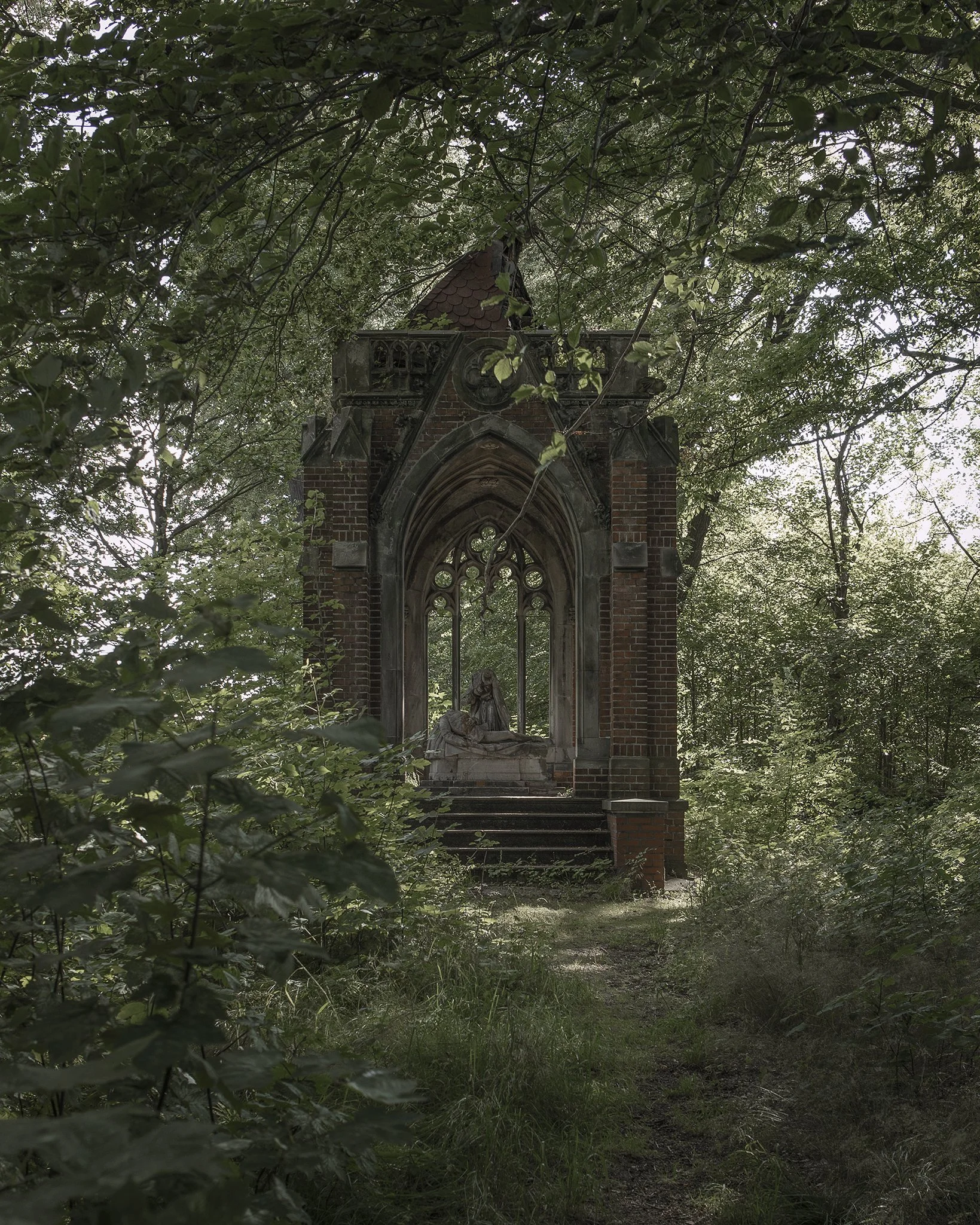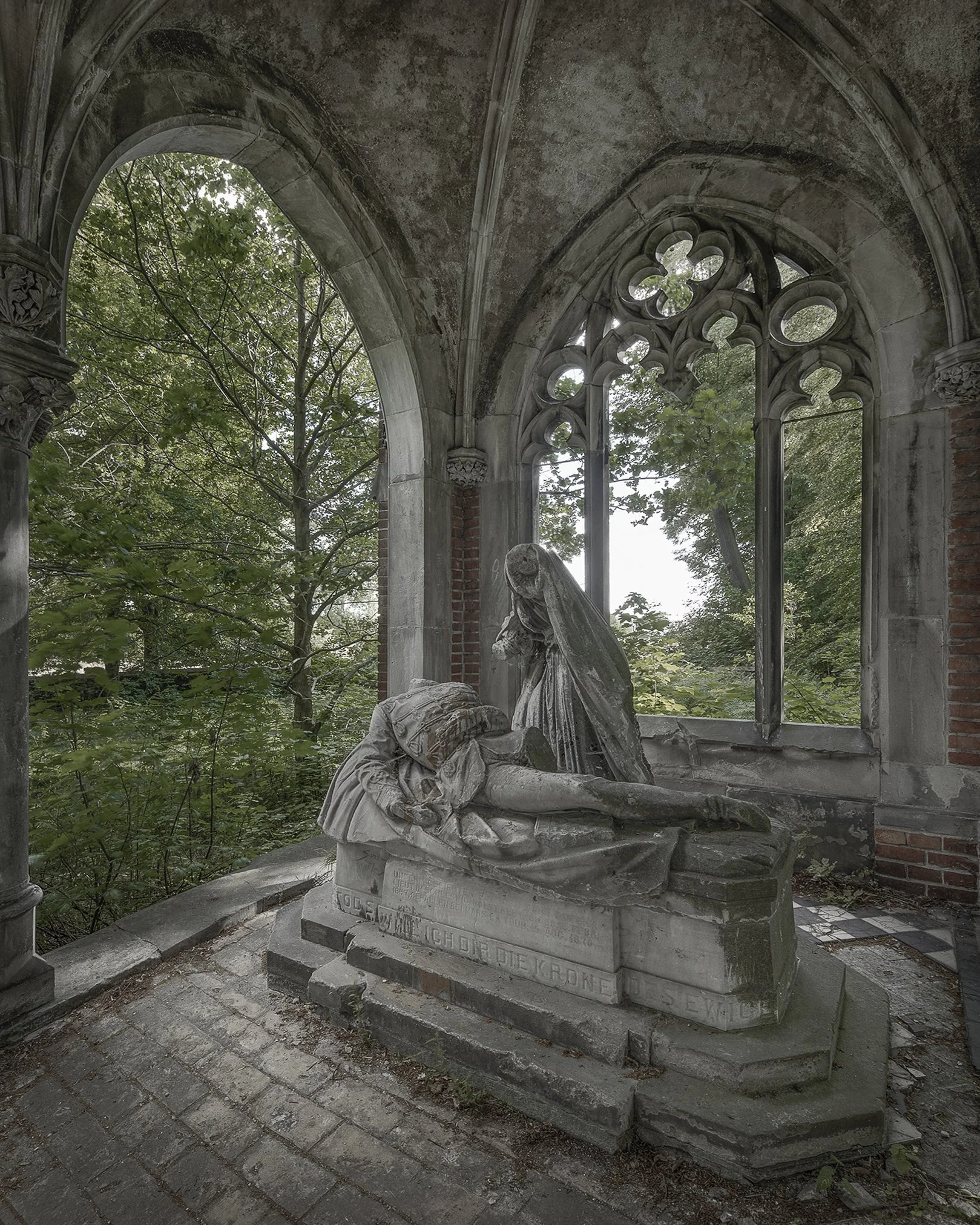
Exploring the abandoned mausoleums of Poland requires venturing deep into overgrown palace grounds and remote forests. These crumbling structures are not merely the gravesites of a vanished aristocratic world; they stand as physical witnesses to the geopolitical shifts of the 20th century.
Built predominantly in the 18th, 19th, and early 20th centuries, the primary cause of abandonment for these structures lies in the radical border redefinitions following World War II. As historical lines moved westward, vast territories changed hands, forcing the flight of wealthy noble families. Under the subsequent communist regime, private estates were nationalized, leaving family burial chapels stripped of their caretakers. Regarded as remnants of a foreign bourgeoisie or an erased ruling class, these monuments were often deliberately neglected, making them highly intriguing for urban explorers and photographers.
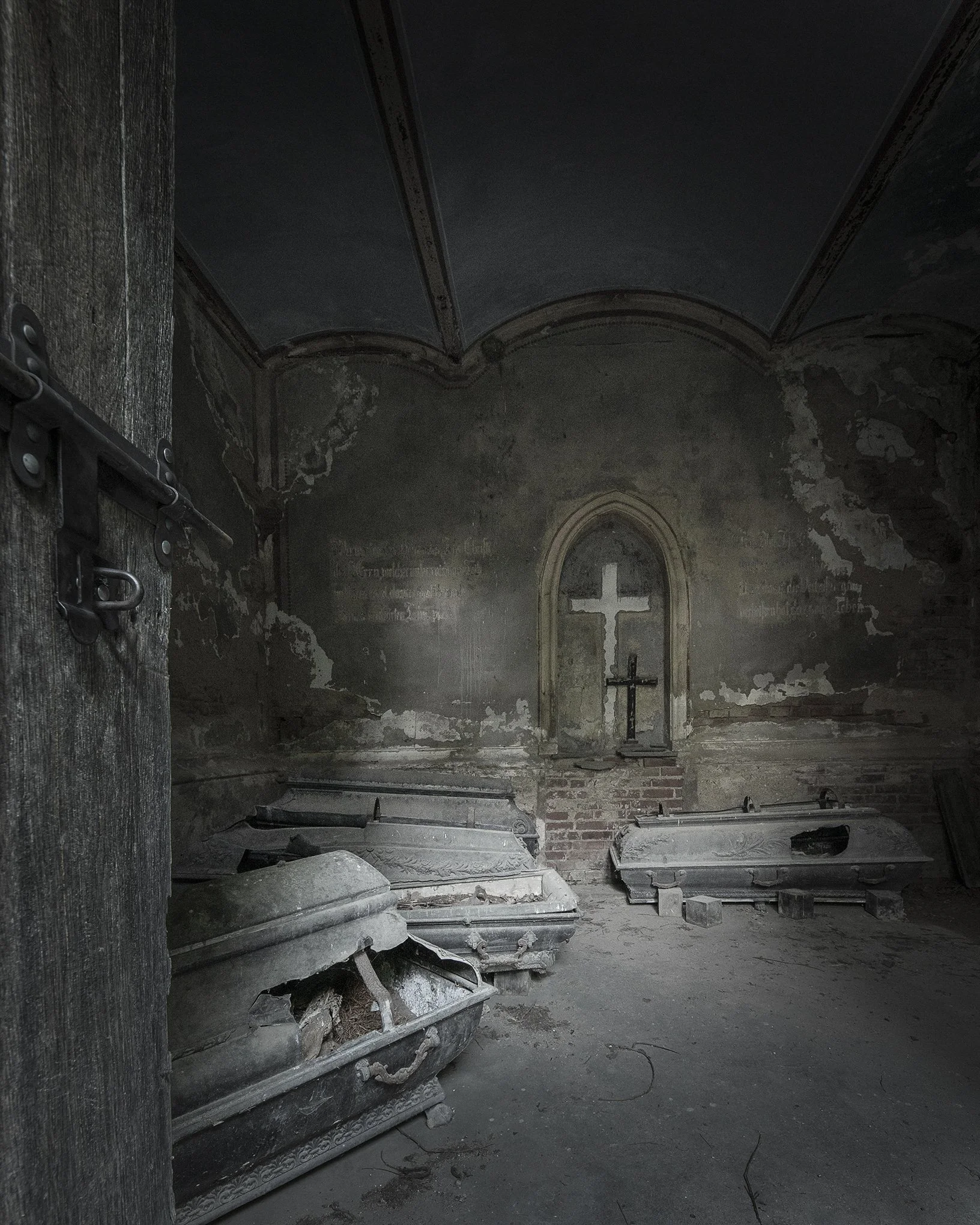
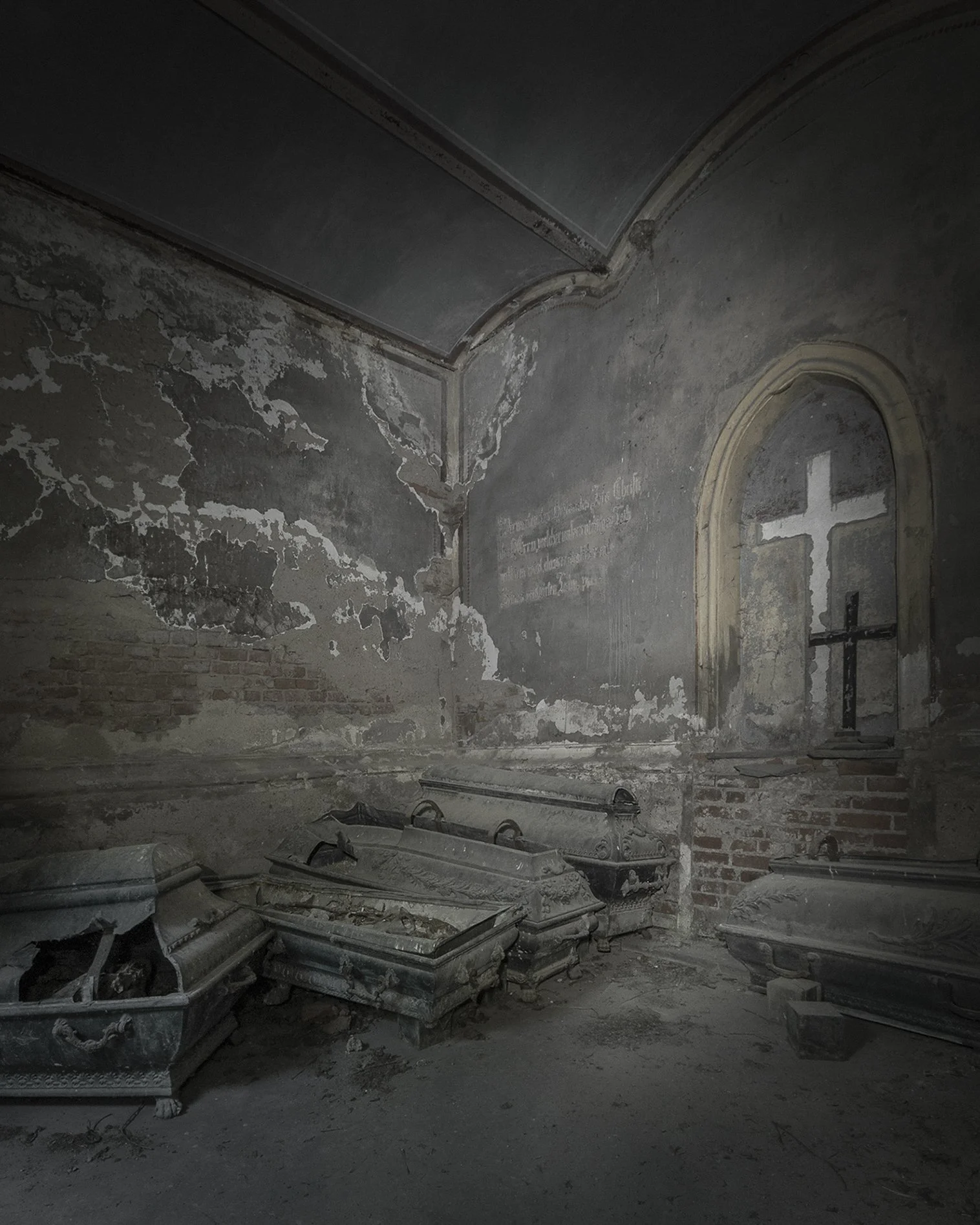
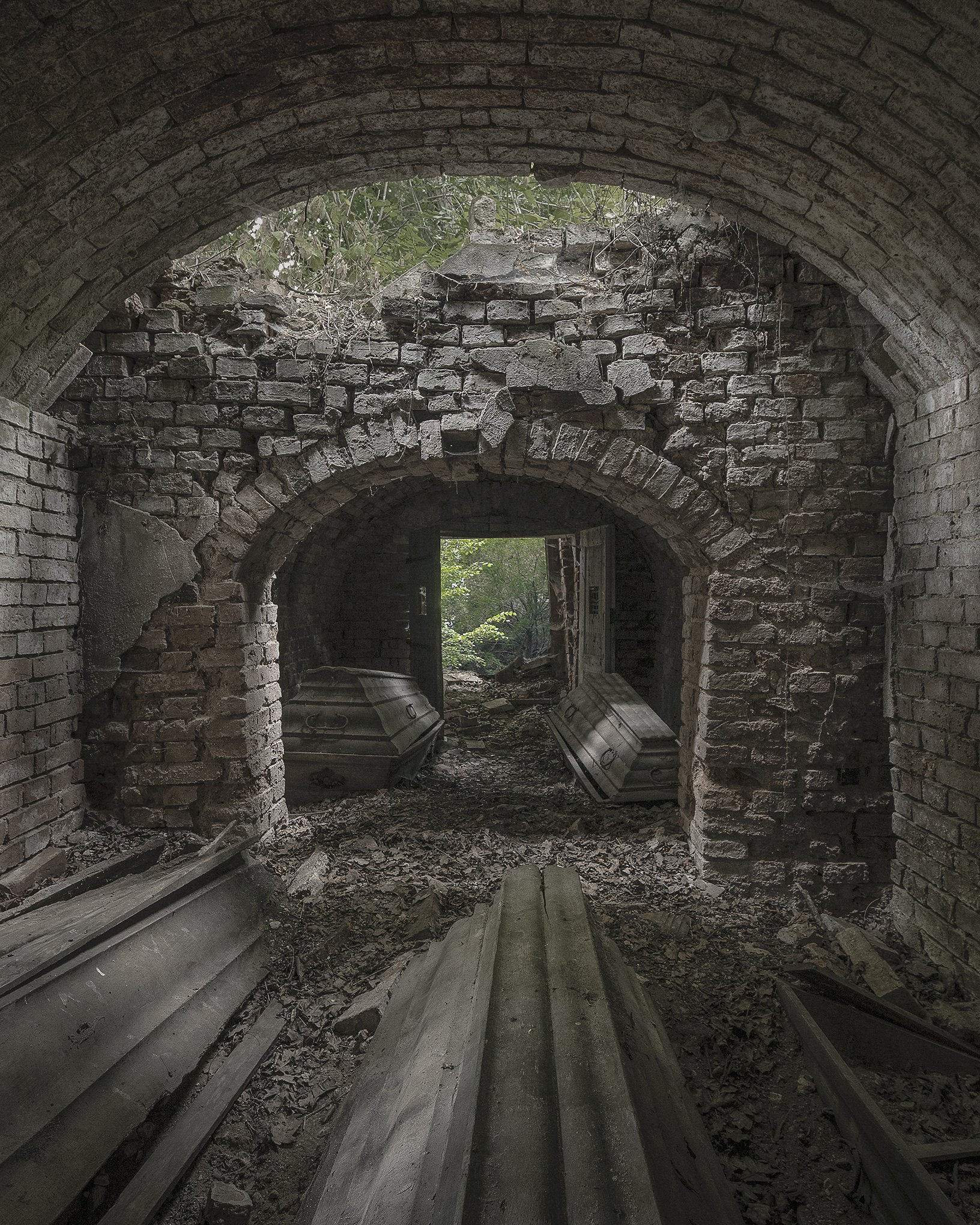
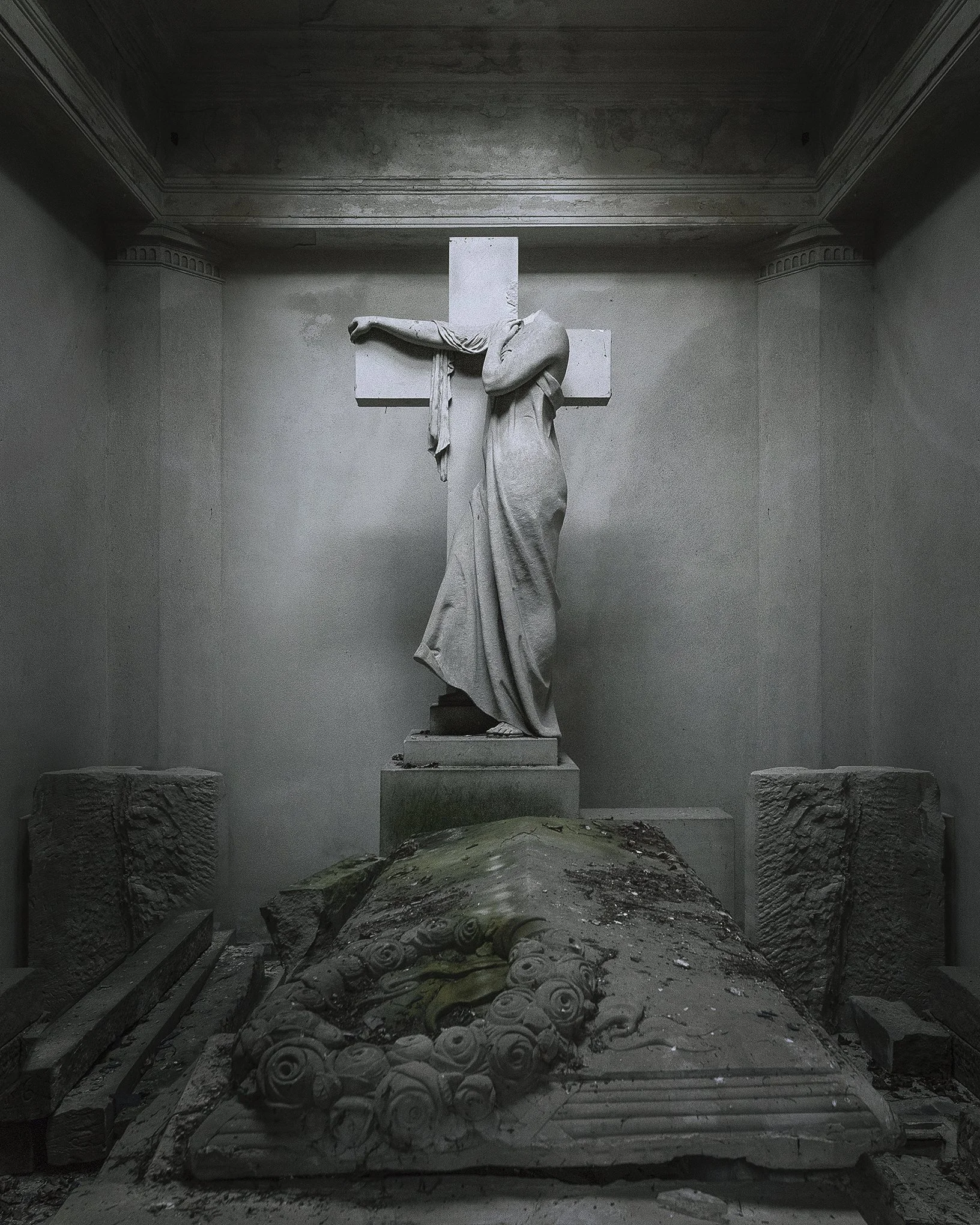
Beyond photogenic decay, these structures share a grim history of post-war opportunism and vandalism. In the chaotic aftermath of the war, treasure hunters systematically broke into crypts in search of gold and valuables, often desecrating tombs and leaving fractured sarcophagi behind.
Today, while the human remains in most mausoleums have largely been relocated or reburied by local communities, we have still stumbled upon coffins with skeletons inside—their heads missing due to vandalism and grave robbing. We have spoken with fellow urban explorers who have reported open mausoleums containing human remains to local administration officials. Out of respect, we choose not to share photos of these specific sites publicly. From an ethical standpoint, we never break doors or windows, nor do we force our way into any abandoned site - these mausoleums are usually truly forgotten and left completely open to the elements.
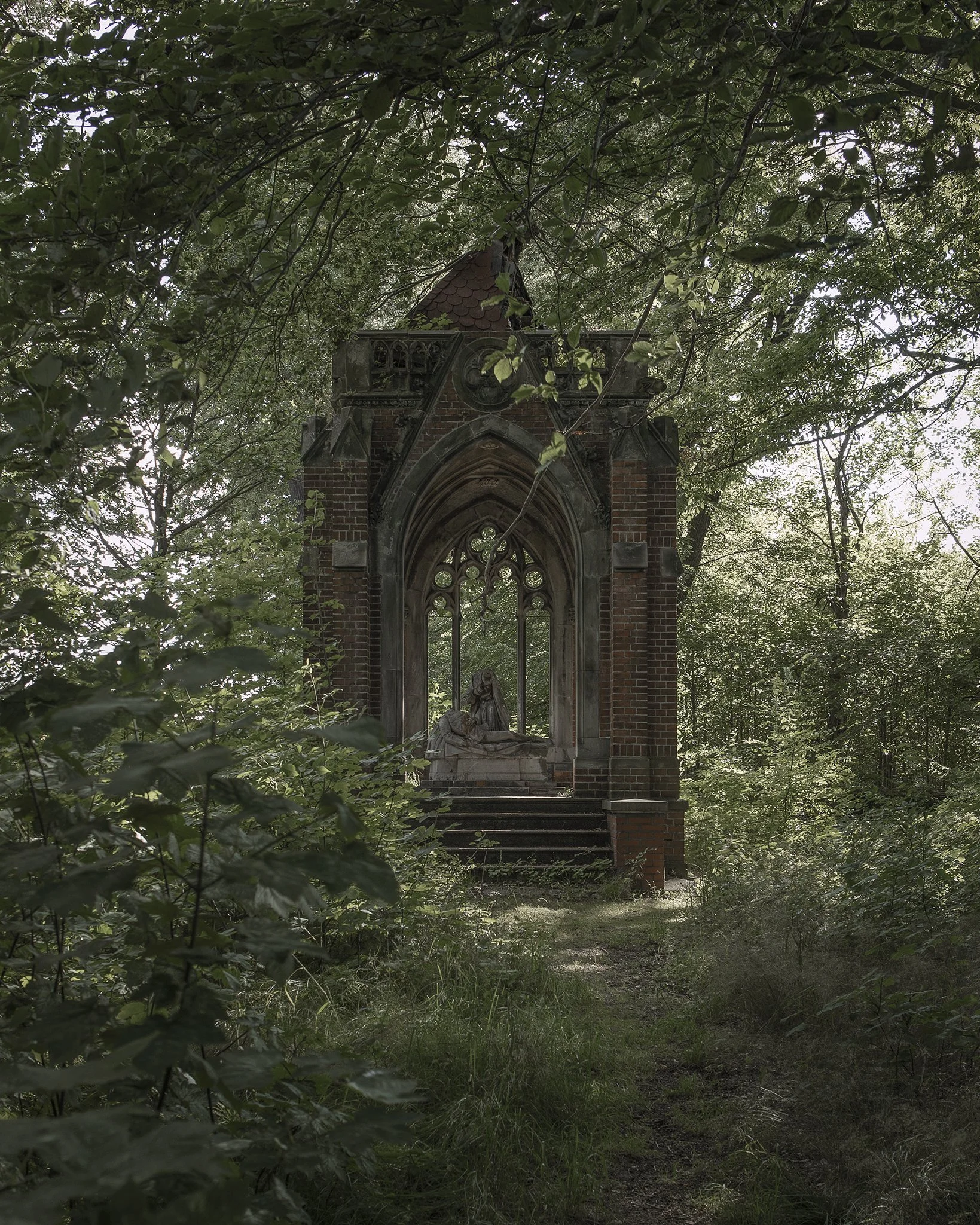
Despite the grim reality of these desecrated crypts, not all mausoleums contain coffins and skeletons. Hidden deep in the woods, a mausoleum might simply be an overgrown monument built for a long-gone noble family, with nobody left to care for the site. They differ drastically from well-kept mausoleums in active cemeteries precisely because of their remote locations and decaying state.
Architecturally, Polish mausoleums represent a striking museum of romanticism. Ranging from ornate Neo-Gothic spires to austere Neo-Classical columns, they were originally designed as melancholic focal points within vast, English-style landscape parks. Now swallowed by wild forests, their crumbling facades beautifully blend the precision of human craftsmanship with the chaos of nature. For urban explorers like us, they offer a powerful confrontation with transience—places where local folklore, architecture, and political history converge in the quiet corners of the wilderness.