Sanatorium Imereti
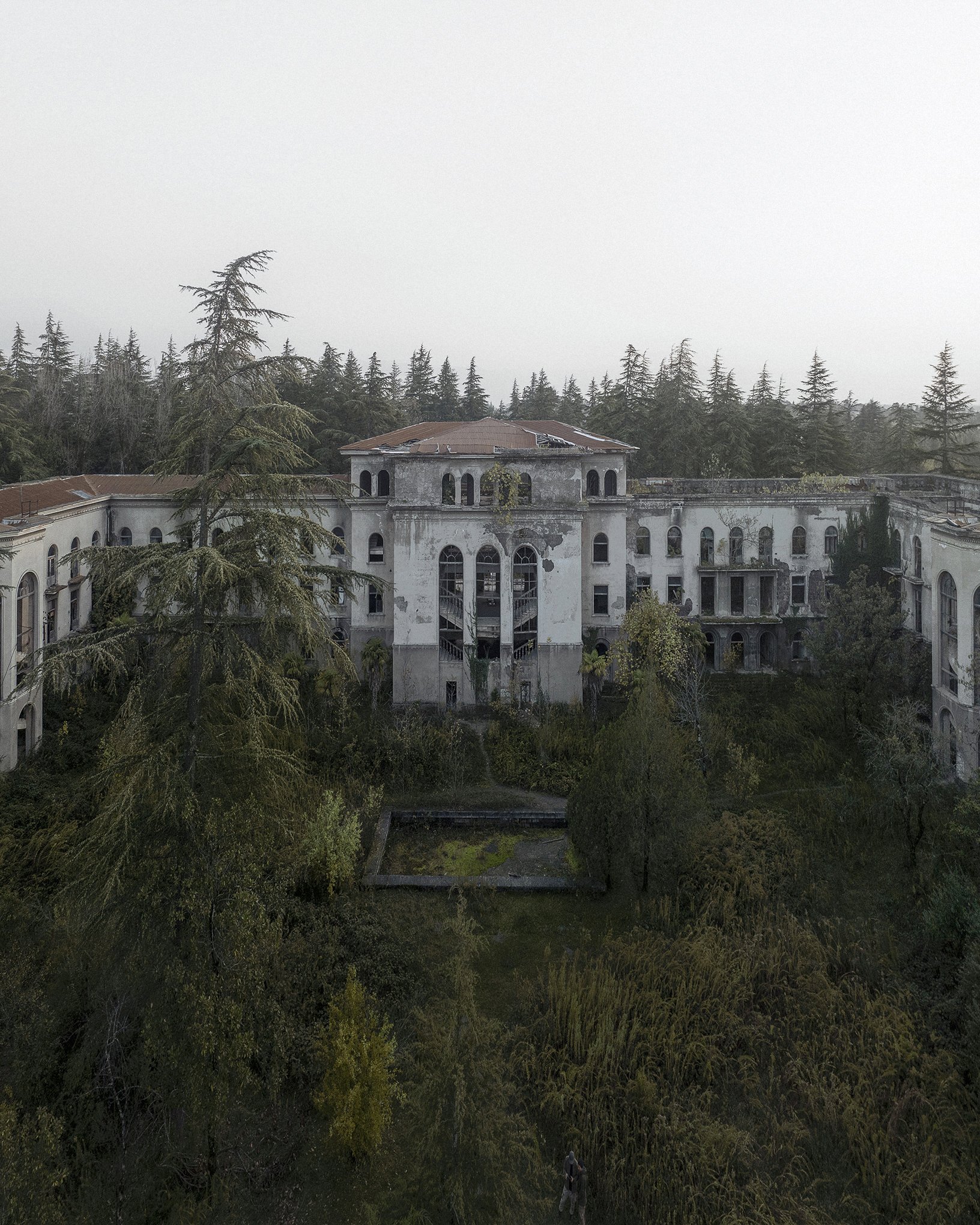
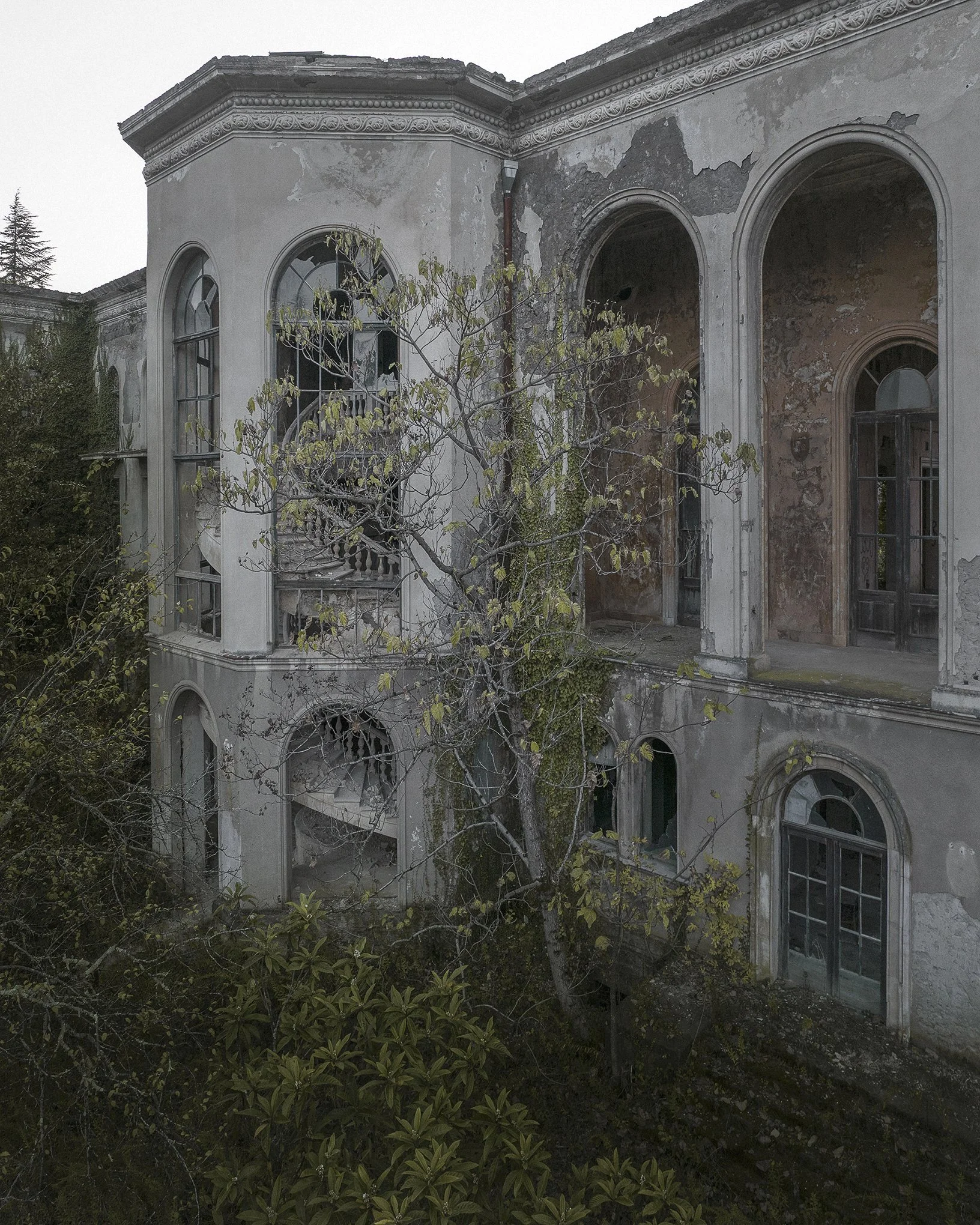
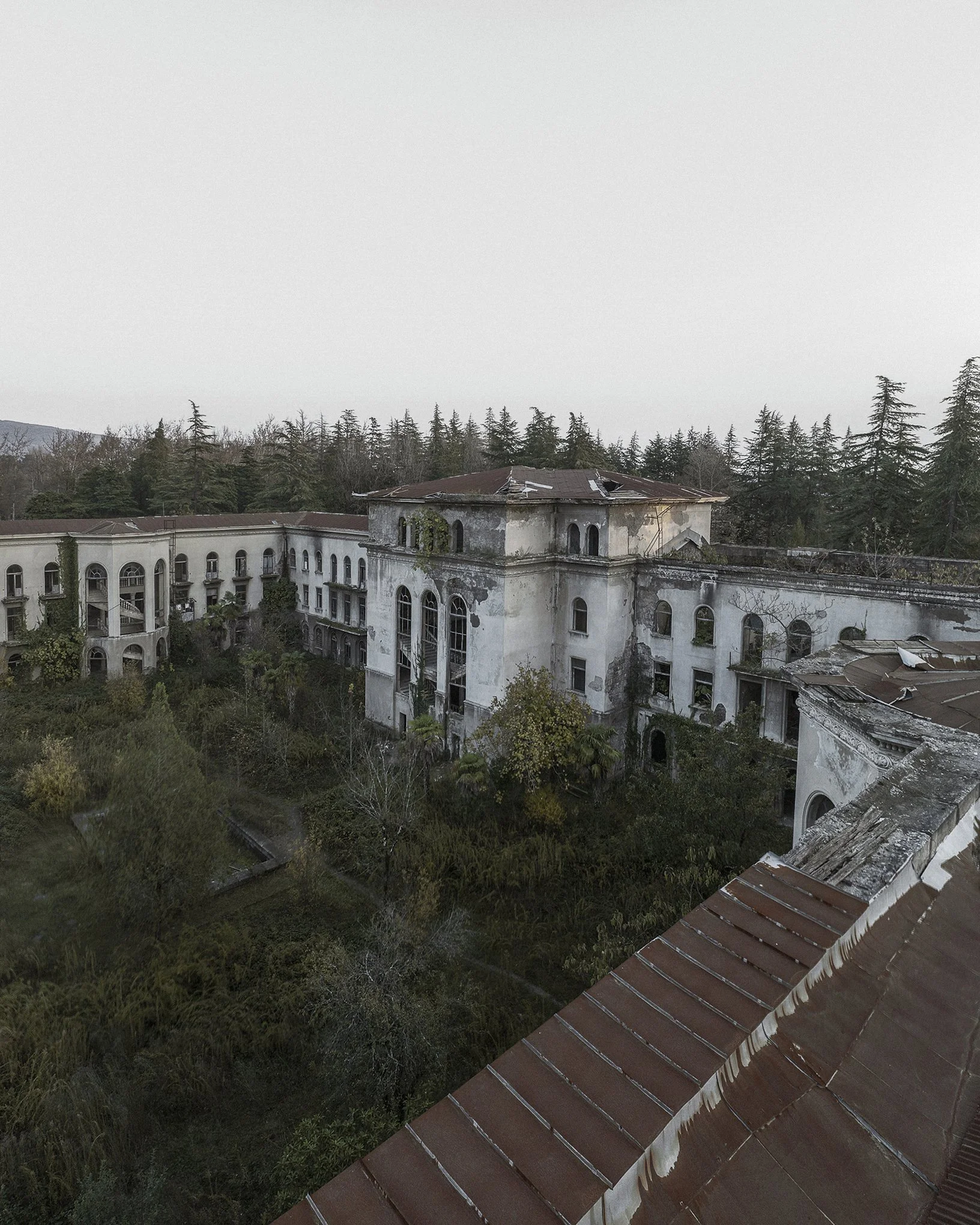
Sanatorium Imereti is a recognizable example of the monumental resort architecture that emerged in the Soviet Union during the mid-twentieth century, reflecting the Soviet ideal that health care, recreation, and architecture could together contribute to the well-being of society.
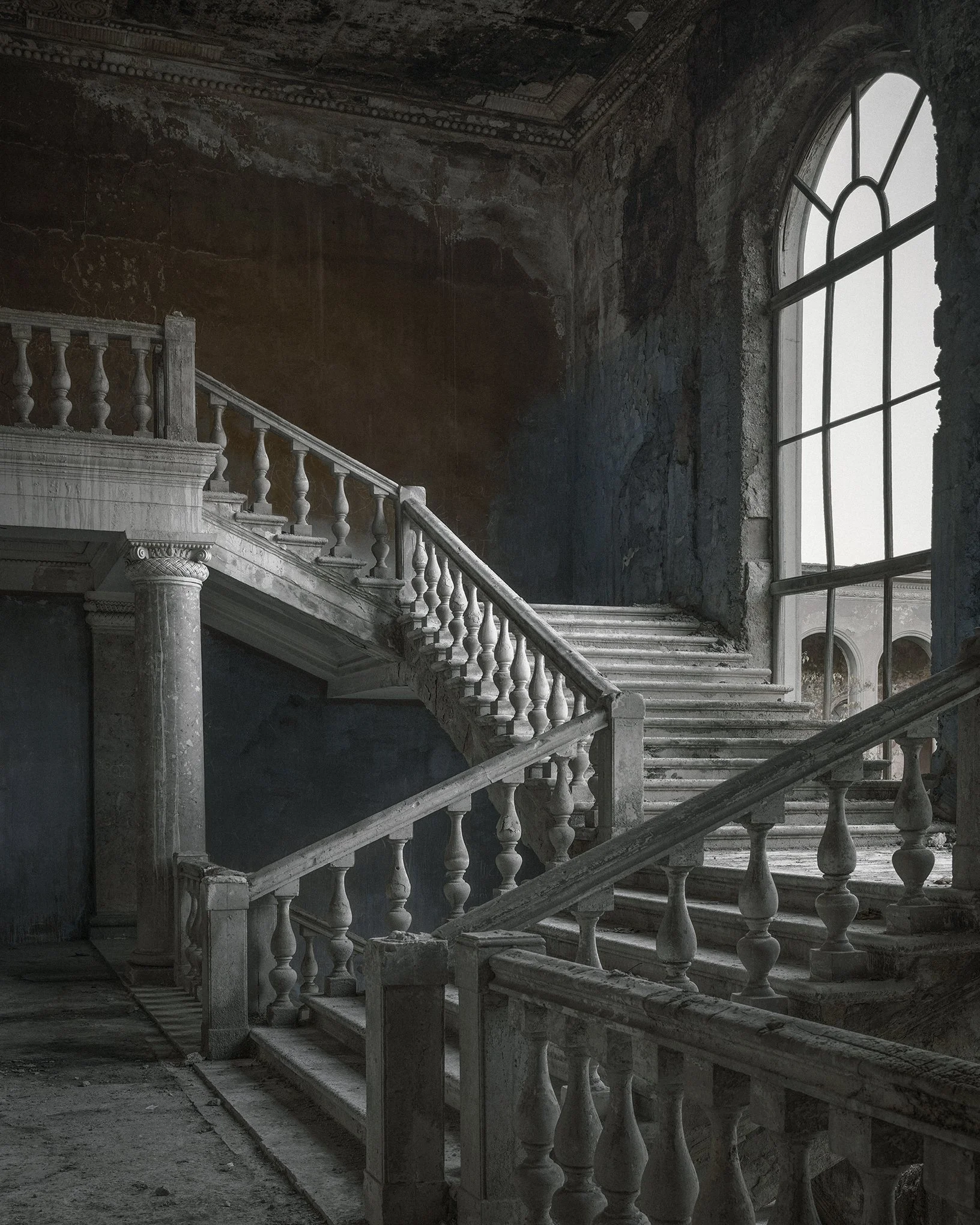
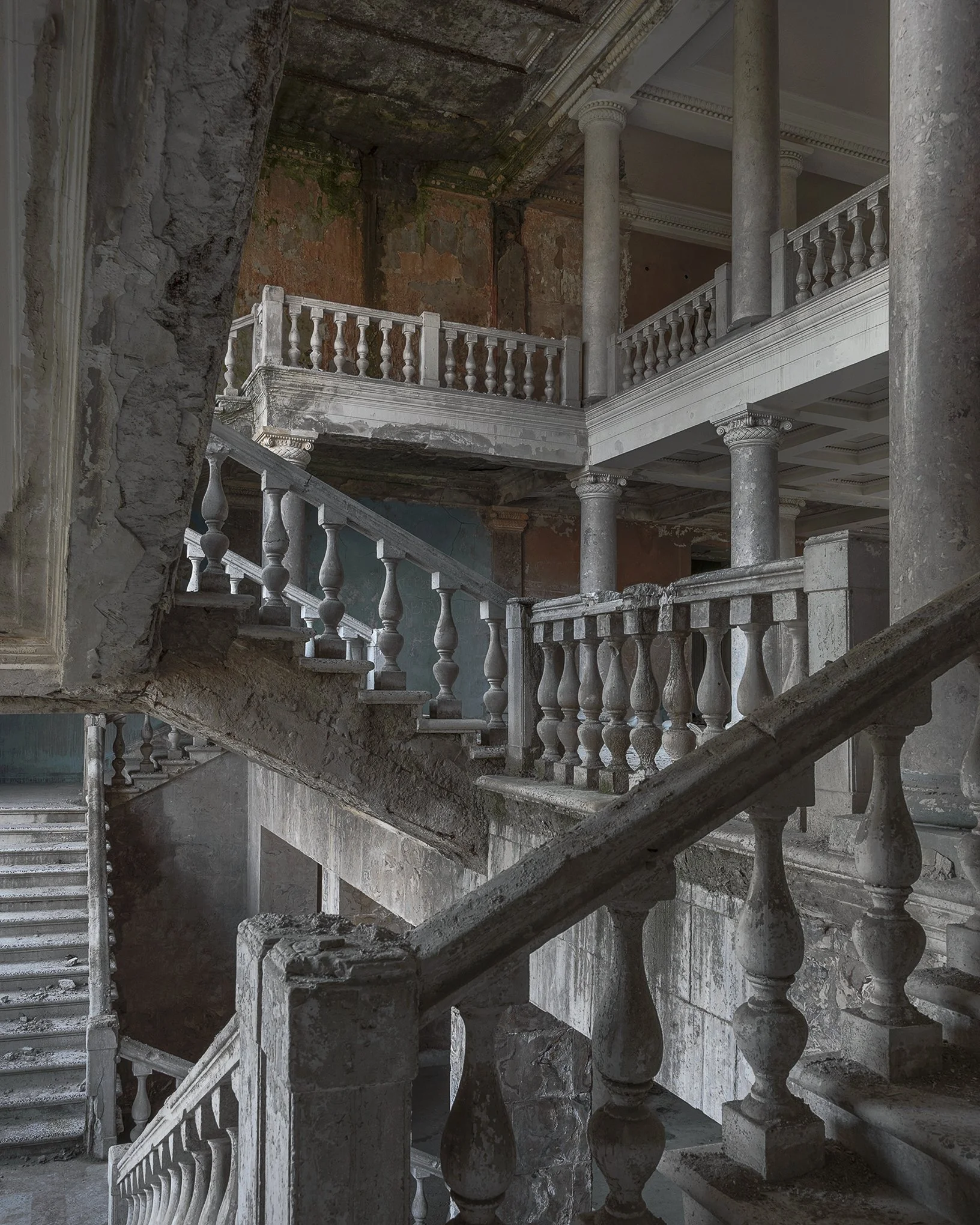
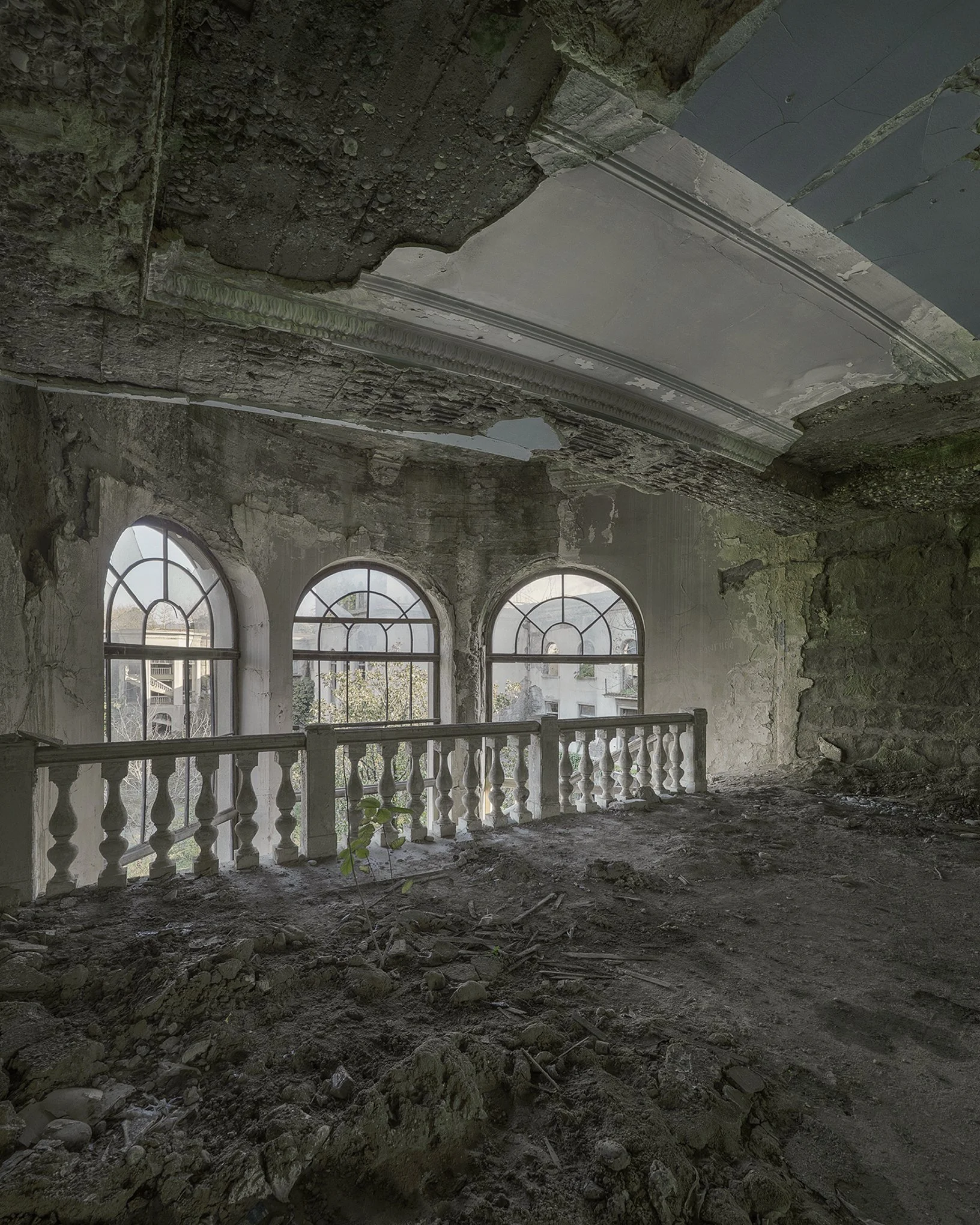
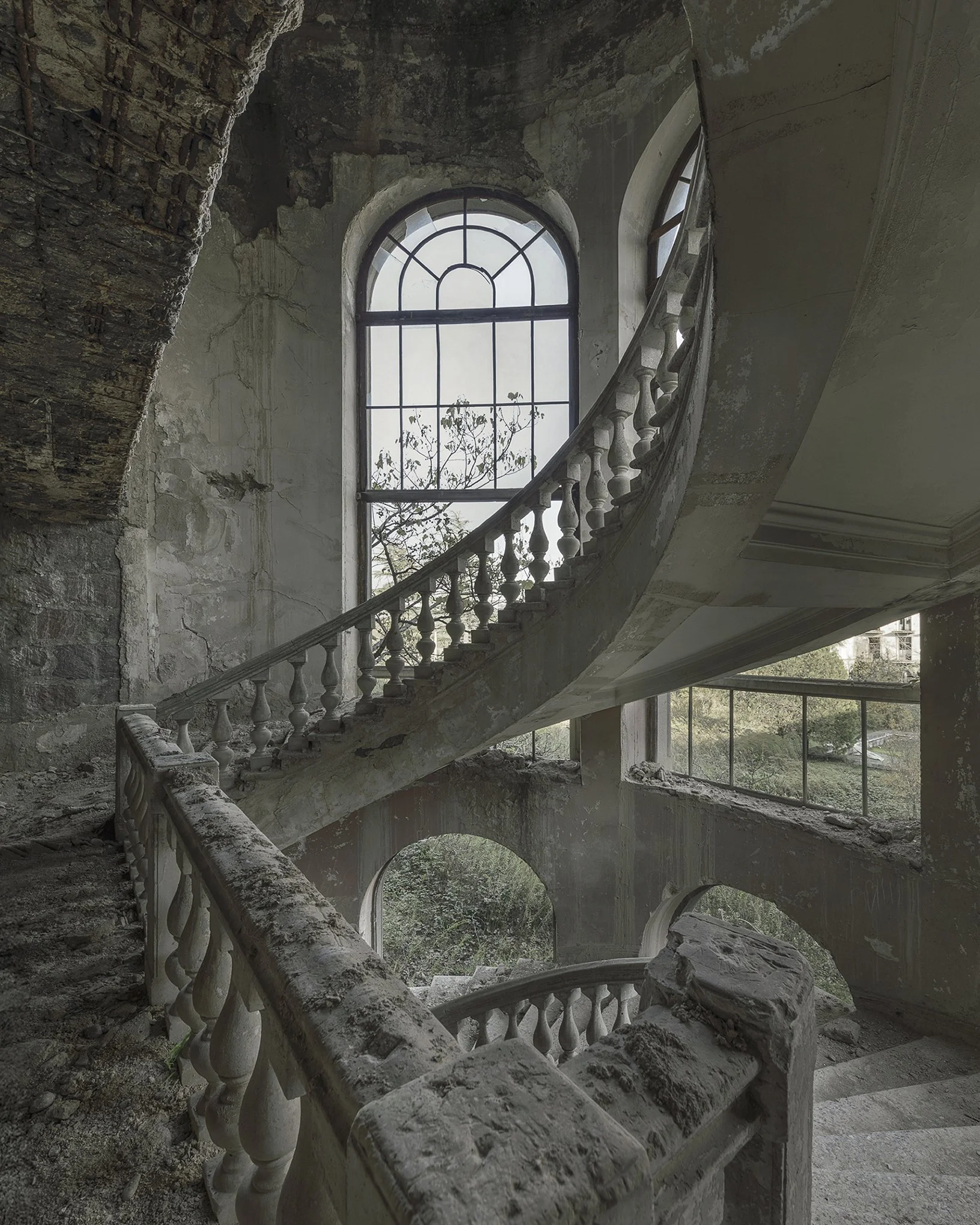
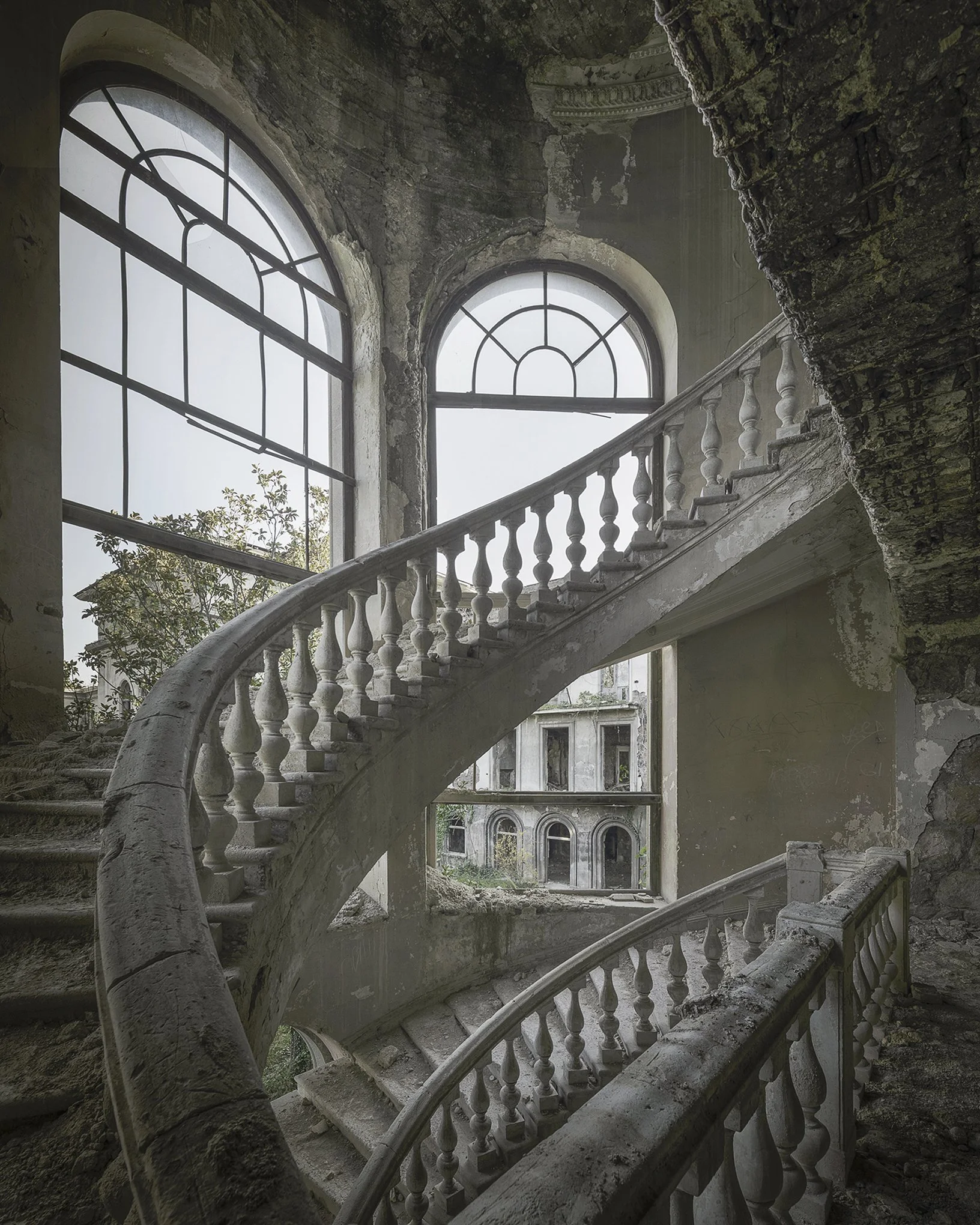
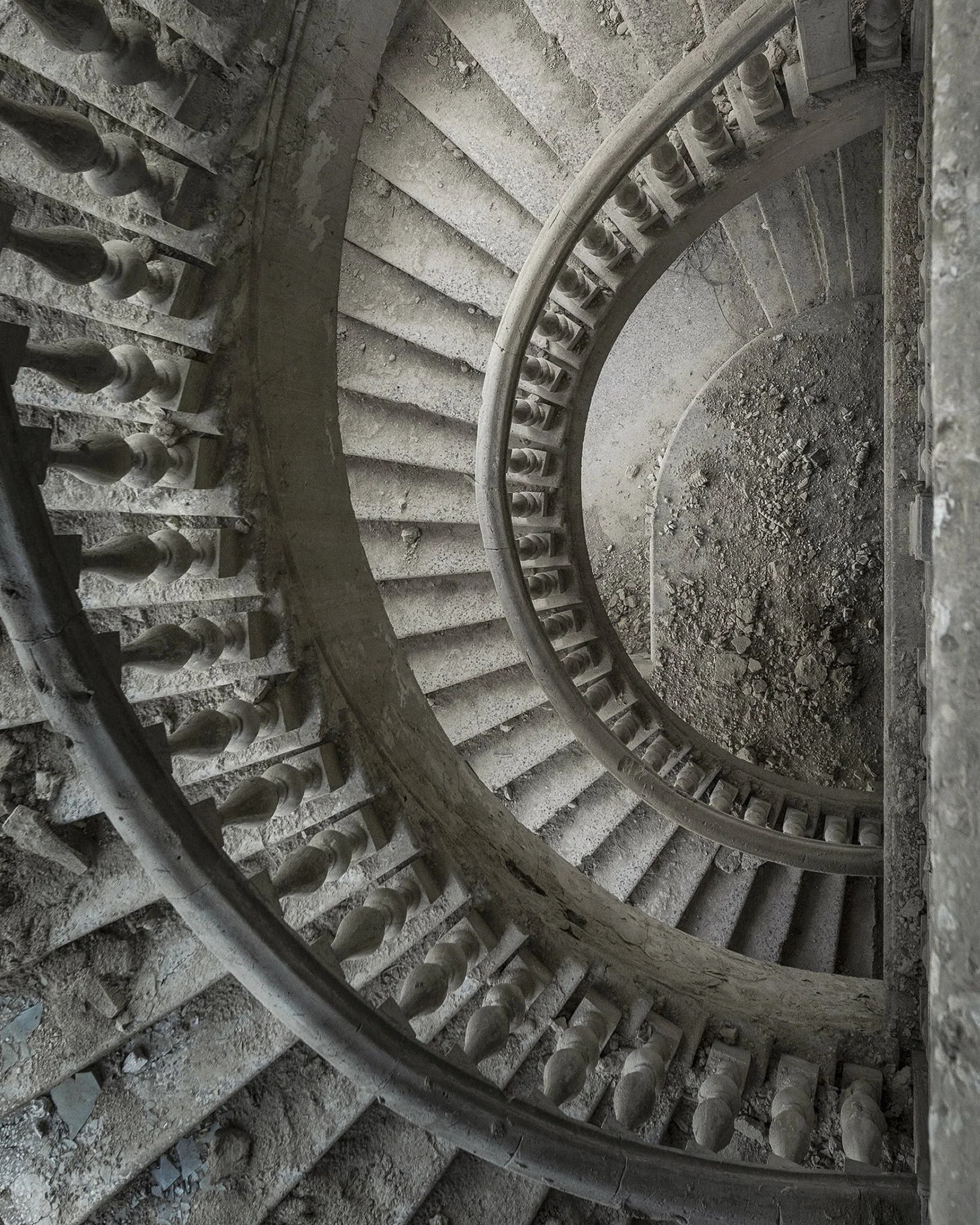
Imereti was constructed in the 1950s and designed in the neoclassical style that characterized much of Stalinist architecture. The sanatorium was intended to impress visitors from the moment they arrived. Its grand entrance, sweeping staircases, and spacious halls conveyed both elegance and permanence. Marble finishes, decorative columns, and generous public spaces created an atmosphere more reminiscent of a luxury hotel than a medical institution. The building became one of the architectural landmarks of the spa resort and represented the prestige that Soviet authorities attached to the country's health resort network.
Imereti shares much of its history and fate with the many other sanatoriums in the area. Like them, it combined medical facilities with comfortable accommodation. For several decades, the building welcomed thousands of guests seeking therapeutic treatments, recreation, and cultural activities. It is difficult to imagine that lively atmosphere today while walking through the building, where little remains intact beyond its walls and architectural features.
Following the dissolution of the Soviet Union in 1991, the sanatorium ceased operating as state funding disappeared. Like many surrounding buildings, it gradually fell into disuse and deteriorated over the following decades. Although some former sanatoriums in the area were temporarily occupied by internally displaced persons, Imereti eventually stood largely abandoned, leaving its once-grand interiors exposed to the passage of time.
While visiting Imereti and the other abandoned sanatoriums, it is nearly impossible not to encounter large packs of friendly, if somewhat clingy, stray dogs. Inside Imereti, we were accompanied by a Danish hound that we named Gertrud-Fibonacci—a name formed by combining suggestions from both of us. As a reward, Gertrud-Fibonacci received what was probably the most luxurious item we could find in a local shop: a packet of sausages.
Today, Sanatorium Imereti remains one of the most photographed abandoned buildings in Georgia. Its monumental architecture continues to illustrate the ambition and craftsmanship of the Soviet resort era. Redevelopment projects have been proposed for several of the former sanatoriums, and work has already begun on some of them. Perhaps one day, Sanatorium Imereti will once again welcome visitors.