Kelenföld Control Room
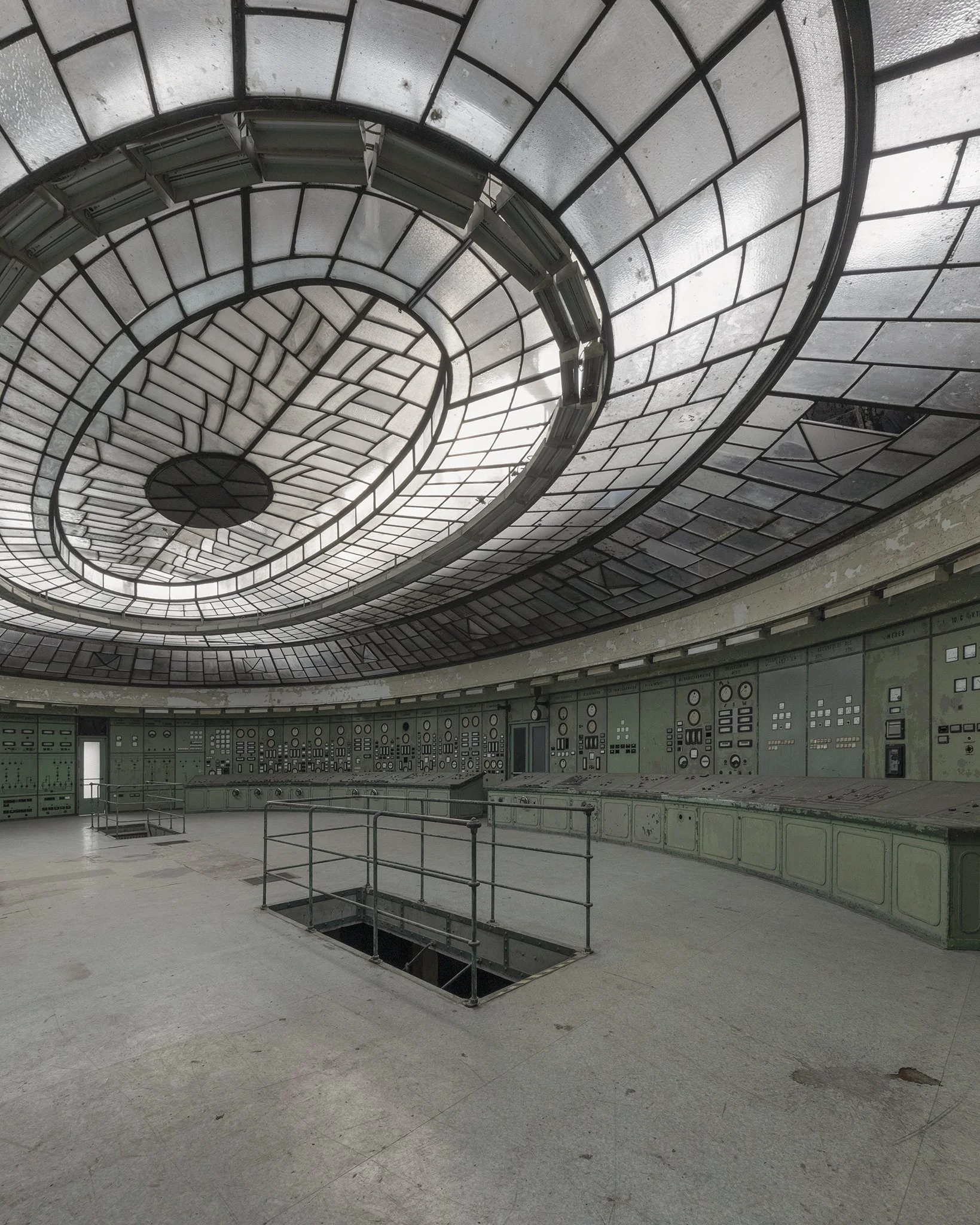
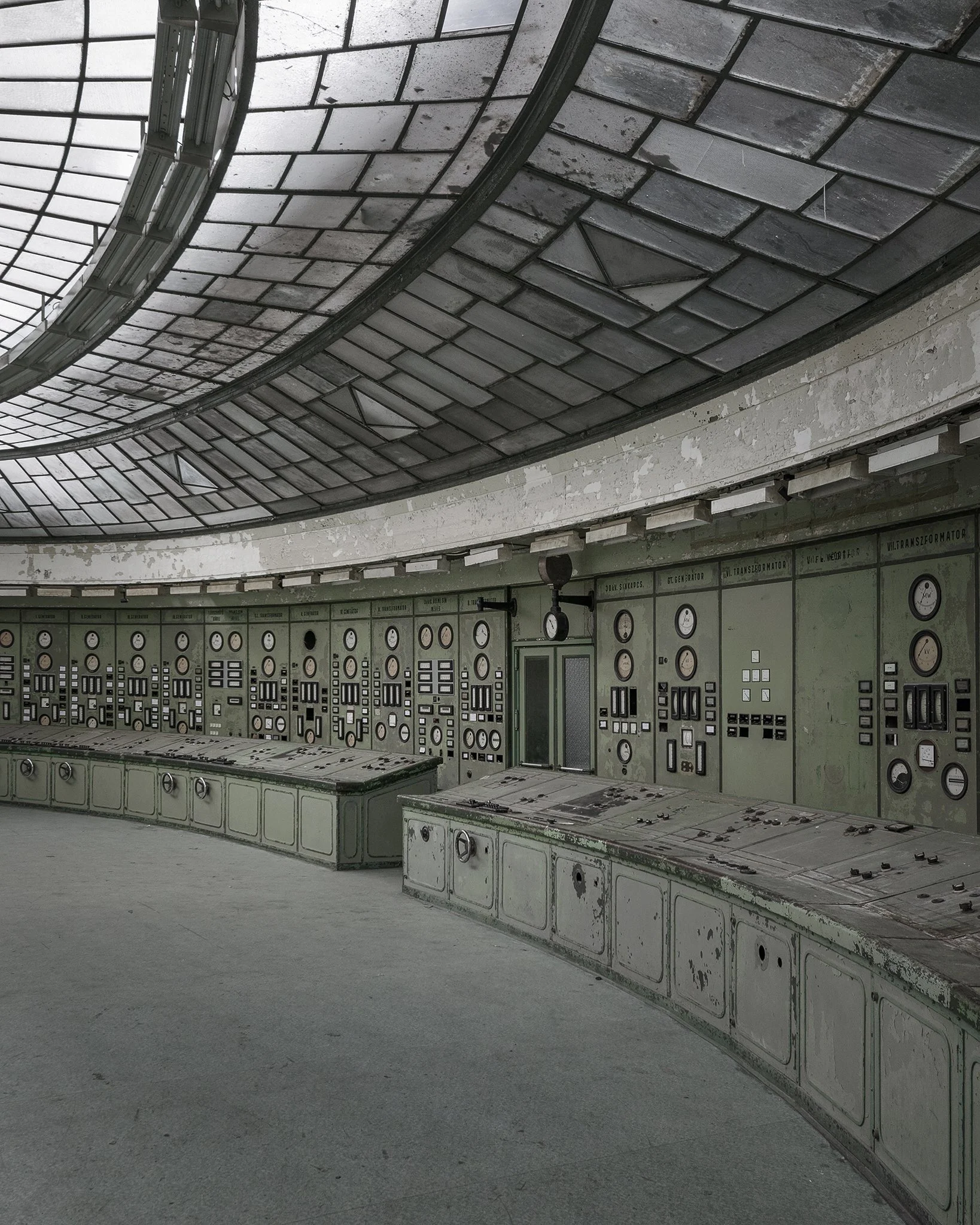
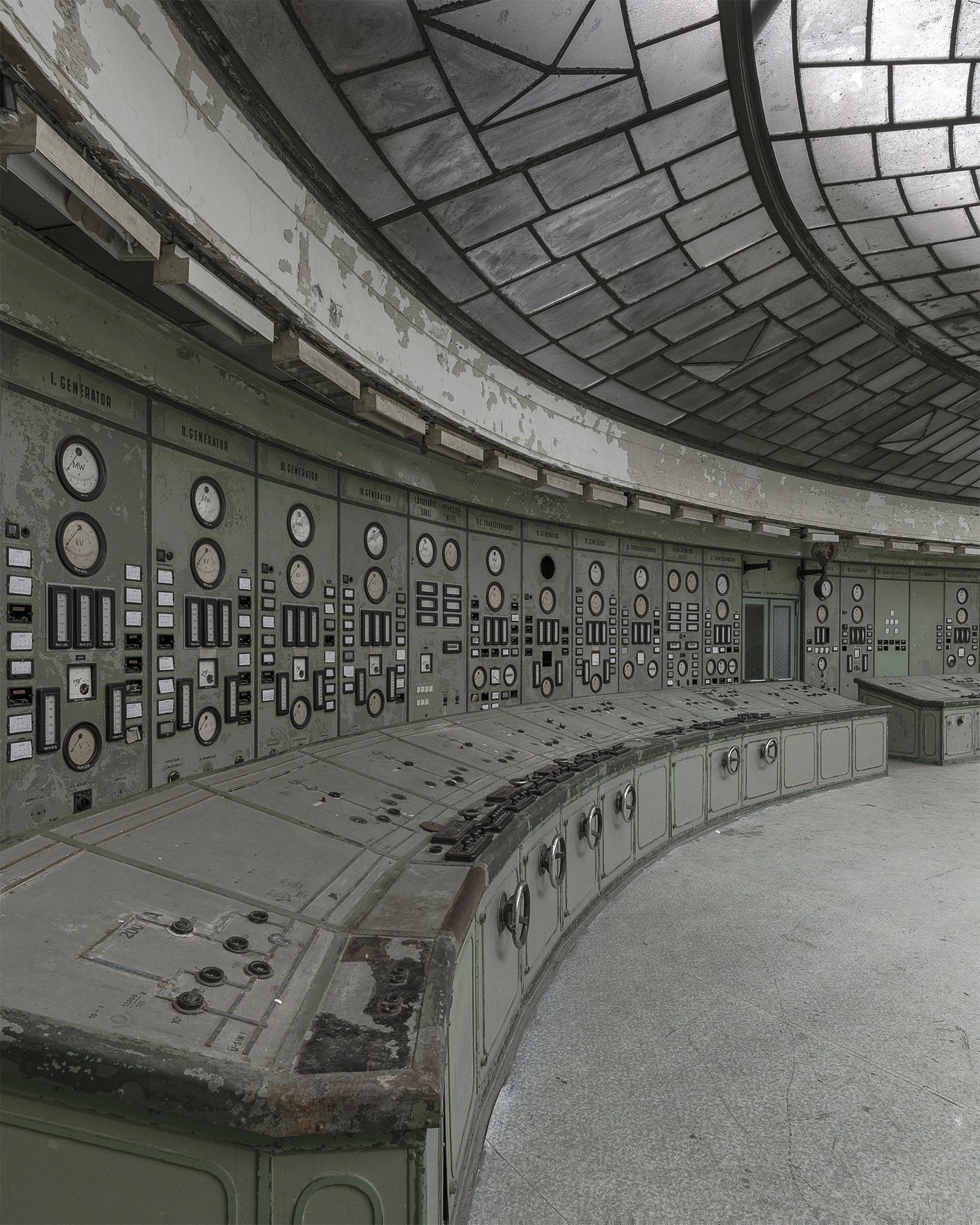
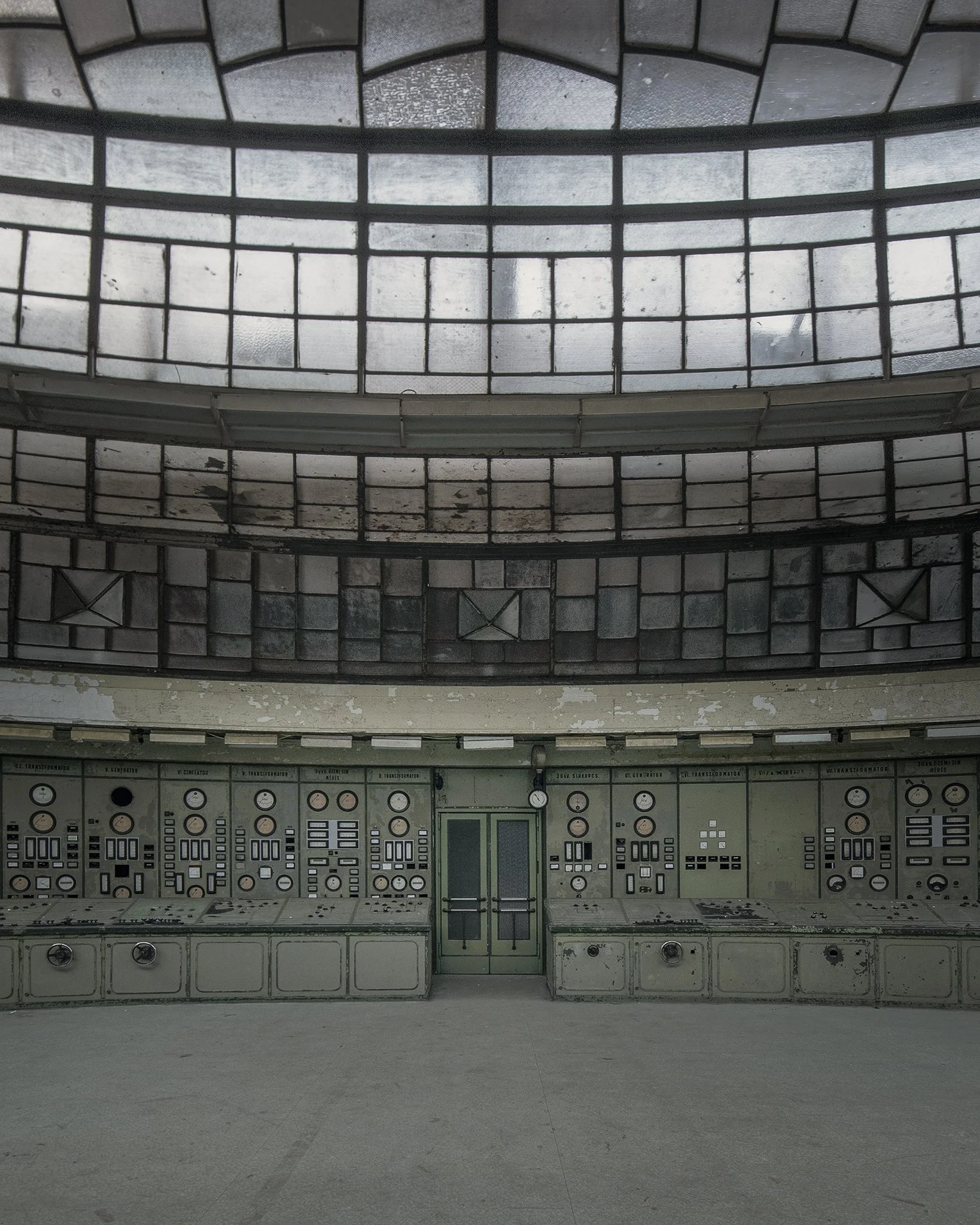
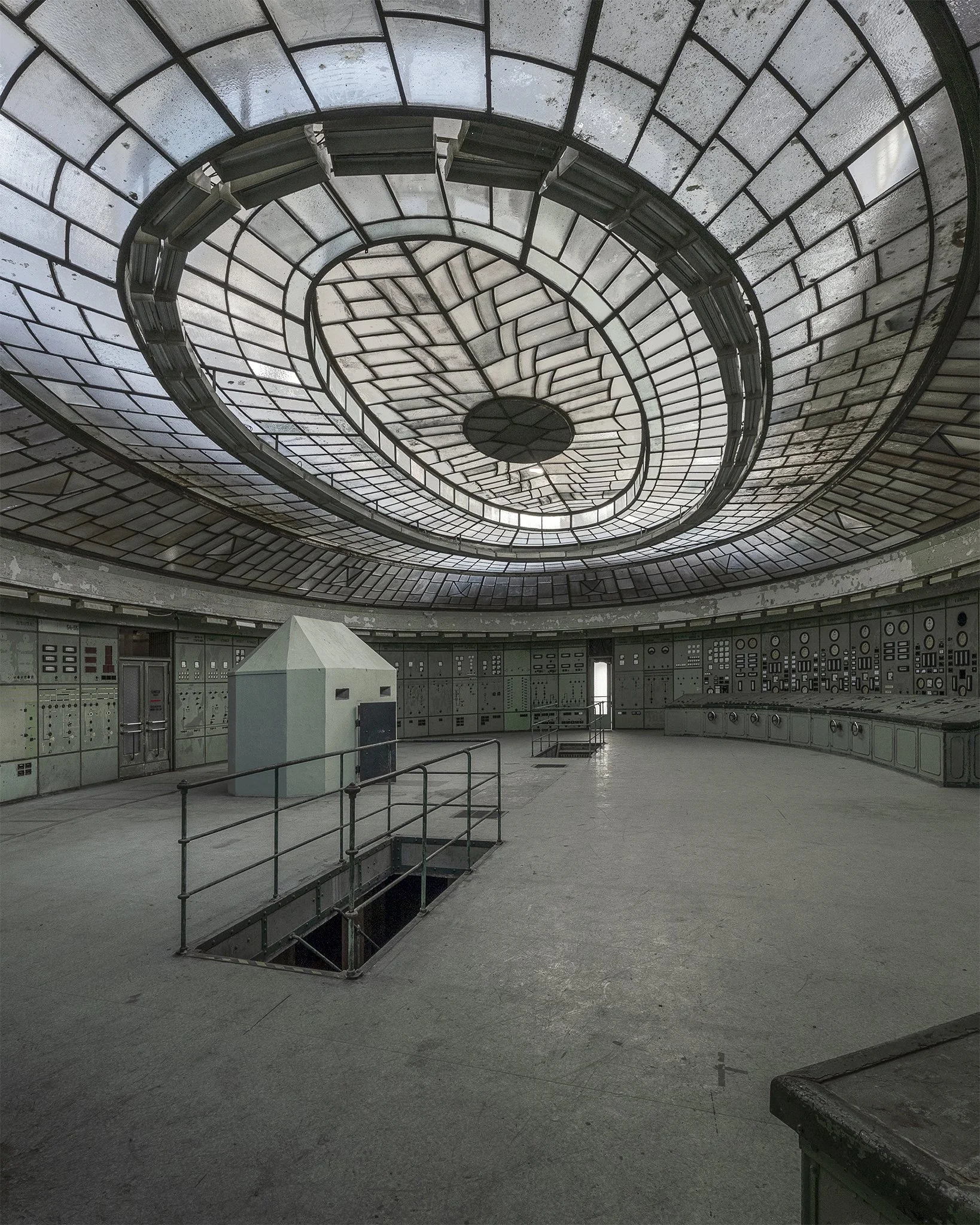
The Kelenföld Power Plant is a remarkable example of industrial architecture, especially because of its oval art deco-styled control room, with magnificent glass ceiling and countless gauges and switches.
Construction of the power plant began in 1913 and the first part of the plant began operating in 1914. Its purpose was to supply Budapest with modern electricity, and the station quickly became an important symbol of the city’s technological progress. The most extraordinary part of the complex, however, is its control room, created during the plant’s expansion in the late 1920s and early 1930s. The plant in which the control room is located, went out of business in 2005.
For the control room, architect Virgil Bierbauer (Borbíró) introduced a radically modern approach, designing a space in which technology itself became the architectural focus. Completed around 1927–1933, the control room has an oval form crowned by a spectacular glass roof, allowing daylight to pour directly onto the machinery and instruments below.
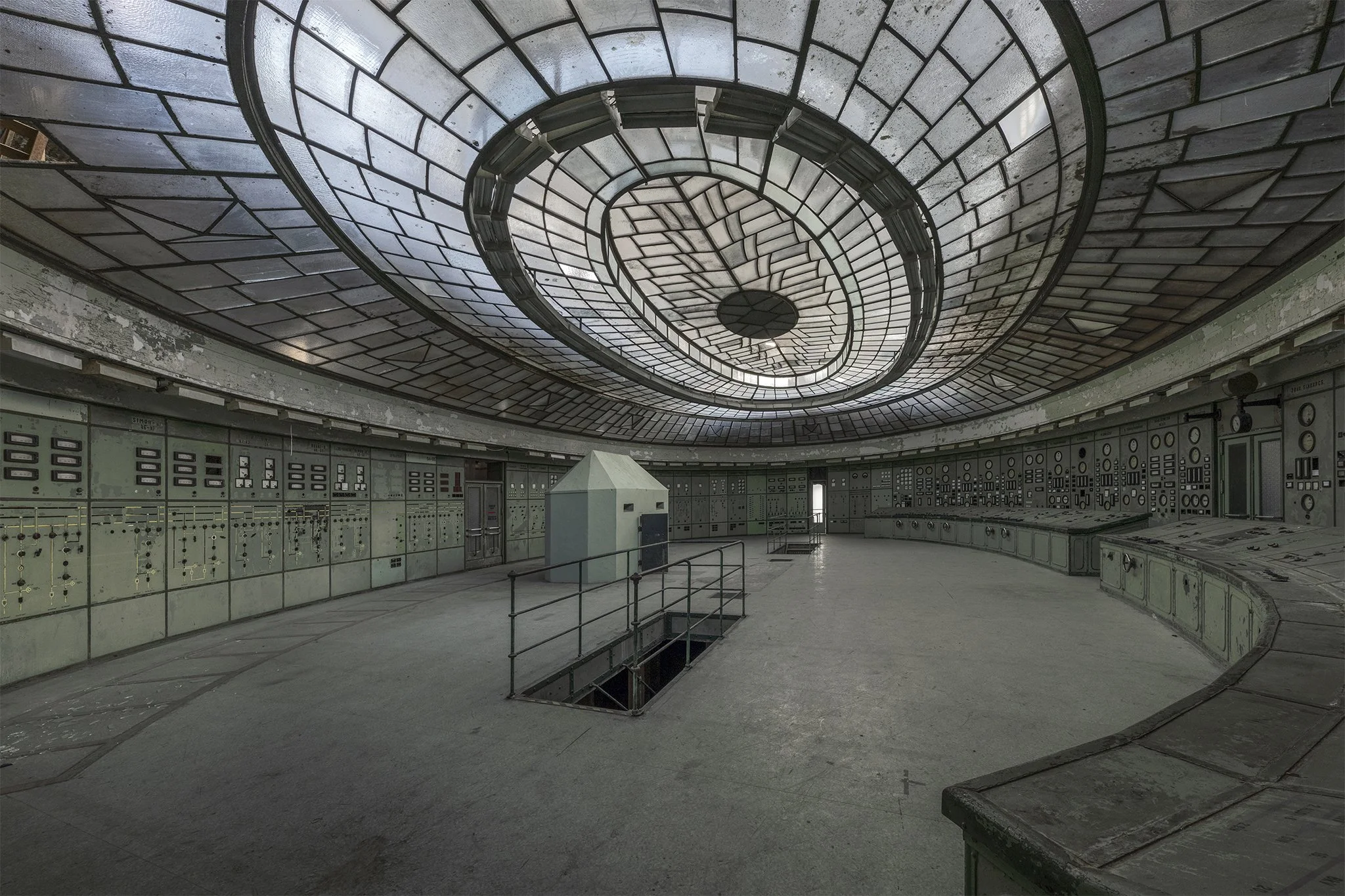
Although there is active power production within the area, the control room has been visited by many urban explorers and photographers. The route to the control room is tricky and there is active surveillance in the area. Reaching the control room will probably end in an unforgettable experience when succeeding in reaching the room, or getting caught by the security. There have been multiple organizers for legal tours over the years, but it seems to be a difficult spot for legal visits.
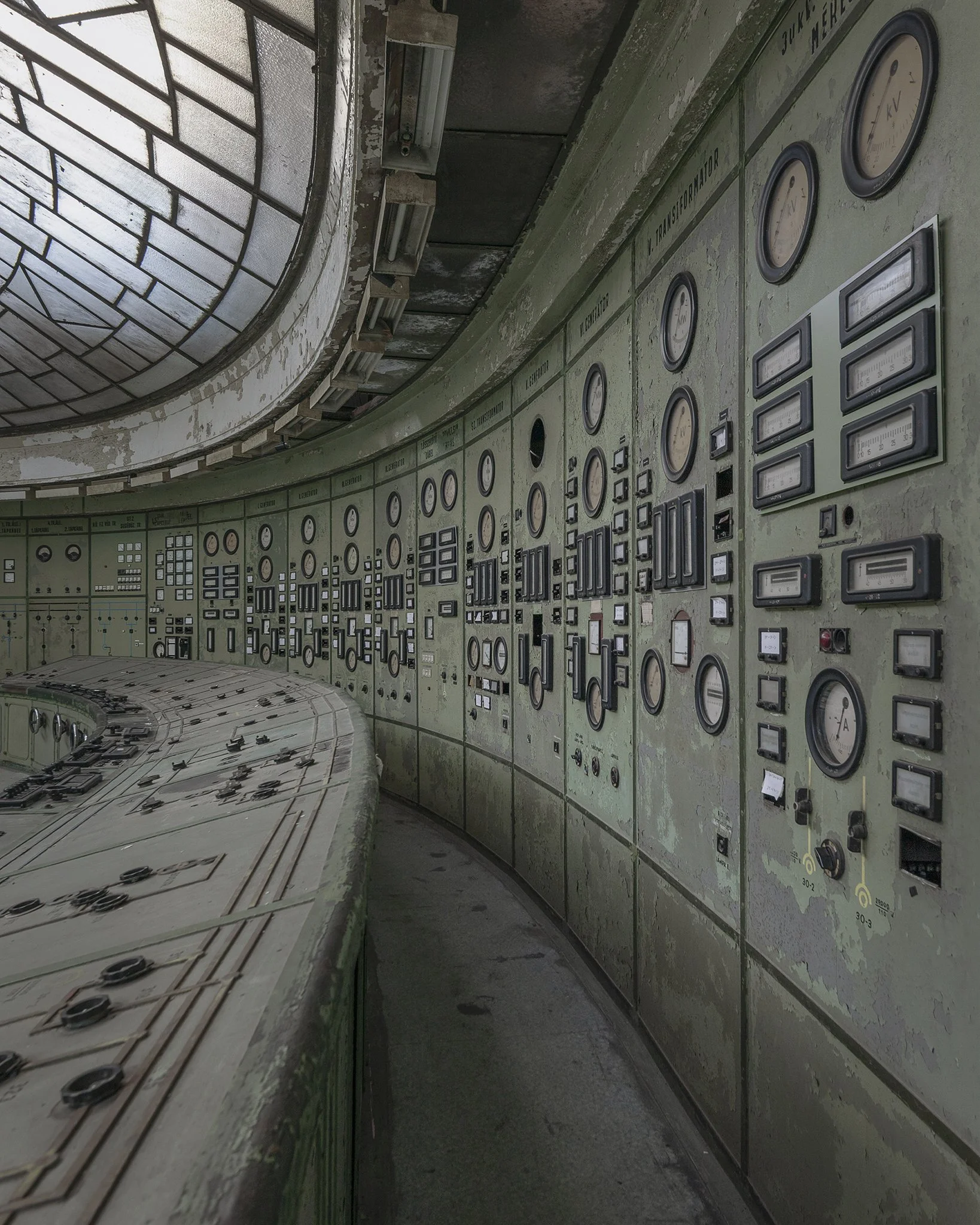
Inside the room, rows of original switches, gauges, meters and control panels cover the walls. Behind them lies a network of thousands of cables, while a lower relay hall provided access to the electrical systems beneath the floor. Every aspect of the room was designed around clarity, natural light and safety—principles Bierbauer considered essential to modern industrial architecture.
The room’s futuristic appearance has often been compared to the bridge of a science-fiction spacecraft. Yet its beauty was never merely decorative: this was the nerve centre from which the enormous electrical system was monitored and controlled. The glass roof also created a wartime vulnerability. During the Second World War, a small concrete bunker was secretly built inside the control room, providing shelter for operators during air raids.
The control room has been used in many movies, most notably in the movie Chernobyl Diaries (2012). In the movie, the control room was dressed as the Chernobyl nuclear power plant, making particularly effective use of the original control panels and industrial atmosphere. There are plenty of other movies in which you can spot the plant, such as World War Z (2013), Terminal (2018) and Outside the Wire (2021).
During our urban exploration tours, we’ve visited one similar, although not as large or grandiose example of such a control room, the “Control Room A” in Romania.